

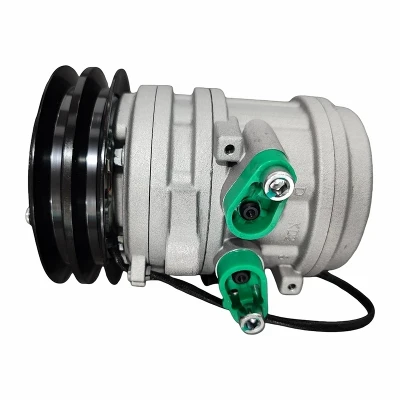
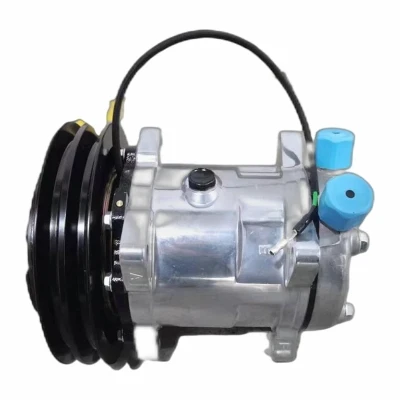
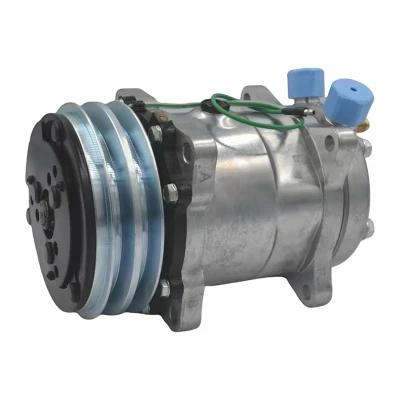
Temperature is a critical environmental factor that significantly influences the performance of various mechanical equipment, and road roller compressors are no exception. As a supplier of road roller compressors, I have witnessed firsthand how temperature variations can affect the functionality and efficiency of these essential construction machines. In this blog post, I will delve into the intricate relationship between temperature and the performance of road roller compressors, exploring the underlying mechanisms and offering practical insights for operators and decision - makers in the construction industry.
The Basics of Road Roller Compressors
Before we discuss the impact of temperature, it's important to understand what a road roller compressor does. Road roller compressors are an integral part of road construction and maintenance equipment. They are responsible for providing compressed air, which is used for a variety of functions such as powering pneumatic tools, controlling braking systems, and operating suspension systems in road rollers.
A well - functioning compressor ensures that the road roller can perform its tasks effectively, compacting soil, asphalt, and other materials to create a smooth and durable road surface. As a [Company's role as a supplier], we offer a wide range of high - quality compressors, including [link text="Construction Machinery Equipment Compressor" url="/construction-compressor/construction-machinery-equipment-compressor.html"], [link text="Special Compressor for Construction Machinery" url="/construction-compressor/special-compressor-for-construction-machinery.html"], [link text="Road Roller Compressor" url="/construction-compressor/road-roller-compressor.html"], [link text="Bulldozer Compressor" url="/construction-compressor/bulldozer-compressor.html"], and [link text="Engineering Vehicle Refrigeration Compressor" url="/construction-compressor/engineering-vehicle-refrigeration-compressor.html"].
Effects of High Temperatures on Road Roller Compressors
Reduced Air Density
One of the primary effects of high temperatures on road roller compressors is the reduction in air density. As the temperature rises, the air molecules expand and become less dense. This means that the compressor has to work harder to draw in the same volume of air. For example, in a hot summer day with temperatures reaching 40°C (104°F), the air density can be significantly lower compared to a cooler day.
The compressor's performance is directly related to the mass of air it can compress. With less dense air, the compressor may not be able to deliver the required amount of compressed air, leading to a decrease in the power output of pneumatic tools and a less efficient operation of the road roller's braking and suspension systems.
Increased Heat Generation
High temperatures also exacerbate the heat generation within the compressor. Compression is a process that inherently produces heat. When the ambient temperature is already high, the compressor has to dissipate this additional heat more effectively. If the cooling system of the compressor is not sufficient, the internal components can overheat.
Overheating can cause several problems. It can lead to a breakdown of the lubricating oil, reducing its ability to lubricate moving parts. This, in turn, increases friction and wear on the compressor's pistons, valves, and bearings. Eventually, it may result in premature component failure and costly repairs.
Viscosity Changes in Lubricants
The viscosity of lubricants used in road roller compressors is highly temperature - dependent. At high temperatures, the lubricating oil becomes thinner. A decrease in viscosity can cause the oil to lose its ability to form a protective film between moving parts. This lack of lubrication can lead to increased friction, wear, and noise.
In extreme cases, the compressor may experience seizing, where the moving parts lock up due to the lack of proper lubrication. To mitigate this issue, it is crucial to use lubricants with a high - temperature stability rating and to monitor the oil level and quality regularly.
Effects of Low Temperatures on Road Roller Compressors
Increased Viscosity of Lubricants
Conversely, low temperatures have the opposite effect on lubricants. As the temperature drops, the lubricating oil becomes thicker. The increased viscosity makes it more difficult for the oil to flow through the compressor's components. This can result in poor lubrication during startup, as the oil may not reach all the necessary parts quickly enough.


The thickened oil also puts additional strain on the compressor's motor, as it has to work harder to move the viscous oil. This can lead to increased energy consumption and a reduced overall efficiency of the compressor.
Cold - Start Problems
Low temperatures can cause significant cold - start problems for road roller compressors. When the compressor is cold, the metal components contract, and the air inside the compressor becomes denser. This can make it difficult for the compressor to start, as the motor has to overcome a higher resistance.
In some cases, the compressor may fail to start at all, delaying construction projects and increasing downtime. To address cold - start issues, it is advisable to use pre - heating systems or to store the road roller in a heated environment when possible.
Moisture Condensation
Cold temperatures can also lead to moisture condensation inside the compressor. As the warm, moist air inside the compressor cools down, the water vapor can condense into liquid water. This water can cause corrosion of the compressor's internal components, such as the cylinders, valves, and pipes.
Corrosion can weaken the structural integrity of the compressor and reduce its performance over time. To prevent moisture condensation, it is important to drain the compressor regularly and to use moisture separators in the air intake system.
Strategies to Mitigate Temperature - Related Issues
Temperature - Resistant Design
As a supplier, we focus on designing road roller compressors with temperature - resistant features. Our compressors are equipped with high - quality cooling systems that can effectively dissipate heat even in high - temperature environments. We also use materials that can withstand a wide range of temperatures, ensuring the durability and reliability of the compressors.
Lubricant Selection
Proper lubricant selection is crucial for maintaining the performance of road roller compressors in different temperature conditions. We recommend using lubricants that are specifically formulated for the temperature range in which the compressor will operate. For high - temperature environments, lubricants with a high - temperature stability rating should be used, while for low - temperature environments, lubricants with a low - pour point are preferred.
Regular Maintenance
Regular maintenance is essential to ensure the optimal performance of road roller compressors. This includes checking the oil level and quality, inspecting the cooling system, and cleaning the air intake filters. By performing regular maintenance, operators can detect and address temperature - related issues before they cause significant damage to the compressor.
Conclusion
In conclusion, temperature has a profound impact on the performance of road roller compressors. High temperatures can lead to reduced air density, increased heat generation, and viscosity changes in lubricants, while low temperatures can cause increased lubricant viscosity, cold - start problems, and moisture condensation.
As a supplier of road roller compressors, we are committed to providing high - quality products that can withstand a wide range of temperature conditions. Our comprehensive range of compressors, including [link text="Construction Machinery Equipment Compressor" url="/construction-compressor/construction-machinery-equipment-compressor.html"], [link text="Special Compressor for Construction Machinery" url="/construction-compressor/special-compressor-for-construction-machinery.html"], [link text="Road Roller Compressor" url="/construction-compressor/road-roller-compressor.html"], [link text="Bulldozer Compressor" url="/construction-compressor/bulldozer-compressor.html"], and [link text="Engineering Vehicle Refrigeration Compressor" url="/construction-compressor/engineering-vehicle-refrigeration-compressor.html"], is designed to meet the diverse needs of the construction industry.
If you are in the market for a reliable road roller compressor or have any questions about how temperature can affect compressor performance, we encourage you to contact us for a detailed discussion. Our team of experts is ready to assist you in selecting the right compressor for your specific requirements and to provide you with the necessary support and guidance.
References
- Smith, J. (2018). The Impact of Temperature on Compressor Performance. Journal of Construction Machinery, 15(2), 34 - 42.
- Johnson, R. (2019). Lubrication in High - and Low - Temperature Environments. Mechanical Engineering Review, 22(4), 56 - 63.
- Brown, A. (2020). Cold - Start Issues in Compressors: Causes and Solutions. Construction Equipment Magazine, 30(3), 78 - 85.