

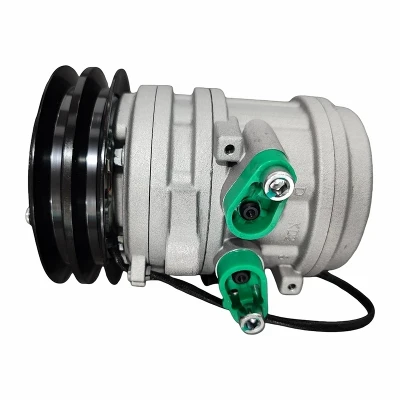
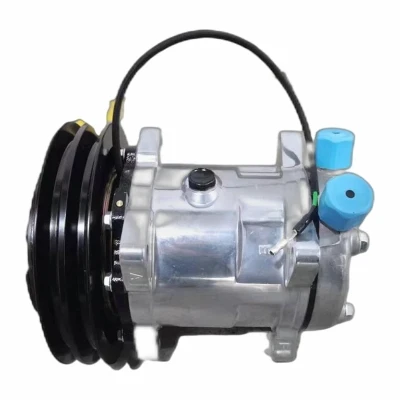
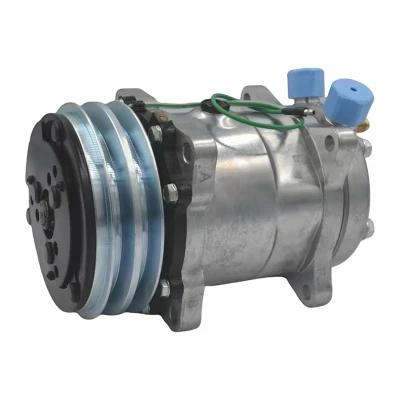
Harvester compressors play a crucial role in the efficient operation of agricultural harvesters. As a leading supplier of these essential components, I'm often asked about how these compressors work. In this blog post, I'll take you through the intricate process of a harvester compressor's operation, shedding light on its components, functions, and the overall significance in agricultural machinery.
The Basics of a Compressor
Before delving into the specifics of a harvester compressor, it's important to understand the fundamental concept of a compressor. At its core, a compressor is a device that increases the pressure of a gas by reducing its volume. This process is essential in various applications, including refrigeration, air conditioning, and in our case, powering the pneumatic systems in agricultural harvesters.
Components of a Harvester Compressor
A typical harvester compressor consists of several key components, each with a specific function. These components work together in harmony to ensure the efficient compression of gas.
1. Cylinder
The cylinder is the heart of the compressor. It's a hollow chamber where the actual compression of the gas takes place. The size and shape of the cylinder can vary depending on the compressor's design and intended application. Inside the cylinder, a piston moves up and down, creating a change in volume that is essential for compression.


2. Piston
The piston is a cylindrical component that fits snugly inside the cylinder. It's connected to a crankshaft via a connecting rod. As the crankshaft rotates, it causes the piston to move up and down within the cylinder. This movement is what creates the necessary pressure changes for gas compression. When the piston moves downward, it creates a low-pressure area inside the cylinder, allowing gas to enter through an intake valve. As the piston moves upward, it compresses the gas, increasing its pressure.
3. Crankshaft
The crankshaft is a mechanical component that converts the linear motion of the piston into rotational motion. It's connected to the engine of the harvester, which provides the power to drive the compressor. The design of the crankshaft is crucial for ensuring smooth and efficient operation of the compressor.
4. Valves
Valves play a vital role in controlling the flow of gas into and out of the cylinder. There are typically two types of valves in a harvester compressor: intake valves and discharge valves. The intake valves open when the piston moves downward, allowing gas to enter the cylinder. The discharge valves open when the piston moves upward, allowing the compressed gas to exit the cylinder and flow into the rest of the pneumatic system.
5. Lubrication System
To ensure smooth operation and prevent wear and tear, a harvester compressor is equipped with a lubrication system. This system ensures that all moving parts, such as the piston, crankshaft, and valves, are properly lubricated. Lubrication reduces friction, which helps to extend the lifespan of the compressor and improve its efficiency.
The Working Process of a Harvester Compressor
Now that we've covered the components, let's take a step-by-step look at how a harvester compressor works.
1. Intake Stroke
The cycle begins with the intake stroke. As the piston moves downward inside the cylinder, it creates a low-pressure area. This causes the intake valve to open, allowing atmospheric air or refrigerant gas to enter the cylinder. The gas fills the cylinder until the piston reaches the bottom of its stroke.
2. Compression Stroke
Once the cylinder is filled with gas, the piston starts moving upward. As it moves, it compresses the gas inside the cylinder, reducing its volume and increasing its pressure. The compression ratio, which is the ratio of the volume of the gas at the beginning of the compression stroke to the volume at the end, is an important factor in determining the efficiency of the compressor.
3. Discharge Stroke
When the piston reaches the top of its stroke, the pressure inside the cylinder is high enough to open the discharge valve. The compressed gas then flows out of the cylinder and into the discharge line. From there, it can be used to power various pneumatic components in the harvester, such as the air brakes, clutch systems, or hydraulic pumps.
4. Exhaust Stroke
After the compressed gas has been discharged, the piston starts moving downward again. This creates a low-pressure area in the cylinder, causing the discharge valve to close and the intake valve to open. The cycle then repeats, with fresh gas entering the cylinder and being compressed.
Types of Harvester Compressors
There are several types of harvester compressors available, each with its own advantages and disadvantages. The choice of compressor depends on factors such as the specific application, the required pressure and volume of compressed gas, and the available power source.
1. Reciprocating Compressors
Reciprocating compressors are the most common type of compressor used in agricultural harvesters. They operate using a piston-cylinder arrangement, as described above. Reciprocating compressors are known for their high efficiency, reliability, and ability to handle a wide range of pressures. However, they can be relatively noisy and require regular maintenance.
2. Rotary Compressors
Rotary compressors use rotating components, such as rotors or screws, to compress the gas. They are generally more compact and quieter than reciprocating compressors. Rotary compressors are also well-suited for continuous operation and can provide a more constant flow of compressed gas. However, they may be more expensive and less efficient at higher pressures.
3. Scroll Compressors
Scroll compressors are a relatively new type of compressor that uses two interleaved scrolls to compress the gas. They are known for their high efficiency, low noise levels, and smooth operation. Scroll compressors are also relatively compact and require less maintenance than other types of compressors. However, they can be more expensive and may not be suitable for high-pressure applications.
Importance of Harvester Compressors in Agriculture
Harvester compressors are essential components in modern agricultural machinery. They play a crucial role in powering various pneumatic systems, which are used for a wide range of tasks, including:
1. Air Brakes
Air brakes are a critical safety feature in agricultural harvesters. They rely on compressed air to operate, providing a reliable and efficient braking system. Harvester compressors ensure that there is a constant supply of compressed air to the air brakes, allowing for safe and controlled operation of the machine.
2. Clutch Systems
Many agricultural harvesters use pneumatic clutch systems to engage and disengage the power transmission. Compressed air is used to actuate the clutch, providing a smooth and reliable operation. Harvester compressors ensure that there is enough compressed air available to operate the clutch system effectively.
3. Hydraulic Pumps
Hydraulic pumps are used to power various hydraulic systems in agricultural harvesters, such as the lifting and lowering of the harvesting head, the adjustment of the cutting height, and the operation of the conveyor belts. Compressed air can be used to power the hydraulic pumps, providing a reliable and efficient source of power.
Our Product Range
As a leading supplier of harvester compressors, we offer a wide range of products to meet the diverse needs of our customers. Our product range includes:
- Mini Agricultural Compressor: Ideal for small-scale agricultural machinery, these compressors are compact, lightweight, and energy-efficient.
- Agricultural Vehicle Compressor: Designed specifically for agricultural vehicles, these compressors are robust, reliable, and can withstand the harsh operating conditions of the agricultural environment.
- Special Compressor for Agricultural Machinery: These compressors are tailored to the specific requirements of agricultural machinery, offering high performance and efficiency.
- Agricultural Machinery Compressor: Our general-purpose agricultural machinery compressors are suitable for a wide range of applications, providing a cost-effective solution for powering pneumatic systems.
- Tractor Compressor: Specifically designed for tractors, these compressors are optimized for the power and performance requirements of these vehicles.
Conclusion
In conclusion, harvester compressors are essential components in modern agricultural machinery. They play a crucial role in powering various pneumatic systems, ensuring the efficient and reliable operation of agricultural harvesters. By understanding how these compressors work and the different types available, farmers and agricultural businesses can make informed decisions when choosing the right compressor for their needs.
We are committed to providing high-quality harvester compressors and exceptional customer service. If you're interested in learning more about our products or need help selecting the right compressor for your application, please don't hesitate to contact us. We look forward to discussing your requirements and helping you find the perfect solution.
References
- Automotive Compressor Technology Handbook, edited by Schmitz, R.
- Principles of Refrigeration, by Stoecker, W. F., and Jones, J. W.
- Pneumatics: A Comprehensive Guide, by Bangert, J.