

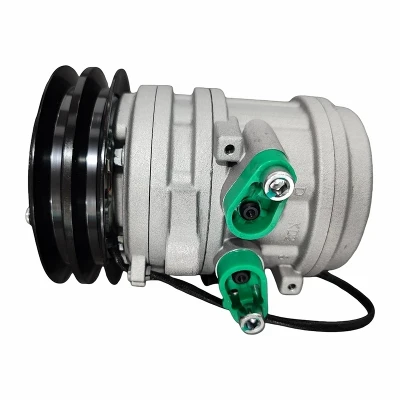
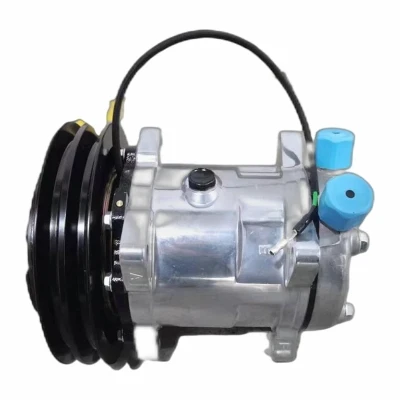
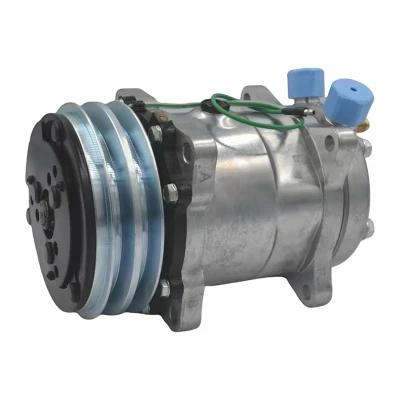
As a supplier of construction engineering compressors, I've witnessed firsthand the diverse and crucial applications of these machines in the construction industry. Construction engineering compressors are essential tools that play a pivotal role in various construction processes, from powering pneumatic tools to supporting complex machinery operations. In this blog, I'll explore the main applications of construction engineering compressors and how they contribute to the efficiency and success of construction projects.
Powering Pneumatic Tools
One of the most common applications of construction engineering compressors is to power pneumatic tools. Pneumatic tools, such as jackhammers, nail guns, impact wrenches, and paint sprayers, rely on compressed air to operate. Compressors provide a continuous supply of compressed air, enabling these tools to deliver high levels of power and performance.
For example, in demolition work, jackhammers powered by compressed air can break through concrete and other hard materials with ease. The compressed air drives the piston in the jackhammer, creating a powerful impact that shatters the material. Similarly, nail guns use compressed air to drive nails into wood, metal, or other surfaces quickly and accurately. This not only speeds up the construction process but also ensures a more secure and reliable connection.
The use of pneumatic tools powered by compressors offers several advantages. They are generally lighter and more portable than their electric or hydraulic counterparts, making them easier to maneuver on construction sites. Additionally, pneumatic tools are less prone to overheating and can operate continuously for extended periods without the need for frequent breaks.
Air Blowing and Cleaning
Construction engineering compressors are also used for air blowing and cleaning tasks on construction sites. Compressed air can be used to blow away dust, debris, and other contaminants from surfaces, machinery, and equipment. This is particularly important in areas where cleanliness is crucial, such as in the installation of sensitive electronic components or in the preparation of surfaces for painting or coating.
For instance, before applying a new coat of paint to a building, the surface needs to be thoroughly cleaned to ensure proper adhesion. Compressed air can be used to blow away loose dirt, dust, and rust particles, leaving the surface clean and ready for painting. In addition, air blowing can be used to clean the internal components of machinery and equipment, preventing the buildup of dirt and debris that can cause damage and reduce performance.
Operating Construction Machinery
Many types of construction machinery rely on compressed air to operate various functions. For example, the braking systems of some large construction vehicles, such as trucks and cranes, use compressed air to apply the brakes. Compressed air is also used in the suspension systems of some vehicles to adjust the height and stiffness of the suspension, providing a smoother ride and better handling.
In addition, some construction machinery, such as excavators, bulldozers, and road rollers, use compressed air to power their hydraulic systems. Compressed air is used to pressurize the hydraulic fluid, which in turn drives the hydraulic cylinders and motors that control the movement of the machinery. This allows for precise control and efficient operation of the machinery.
Special Compressor for Construction Machinery
For specific construction machinery, there are special compressors designed to meet their unique requirements. For example, the Special Compressor for Construction Machinery is engineered to provide the exact amount of compressed air needed for the operation of various construction equipment. These compressors are often more compact and efficient, making them ideal for use in tight spaces and on mobile construction sites.
Engineering Vehicle Refrigeration Compressor
In engineering vehicles, refrigeration compressors play a vital role in maintaining the temperature of the vehicle's interior and cargo. The Engineering Vehicle Refrigeration Compressor is designed to work in harsh environments and provide reliable cooling performance. This is especially important for vehicles that transport perishable goods or operate in hot climates.
Excavator Compressor
Excavators are one of the most commonly used construction machines, and they require a reliable compressor to power their various functions. The Excavator Compressor is specifically designed to meet the high-pressure and high-volume requirements of excavators. It provides the necessary compressed air for the operation of the excavator's hydraulic system, as well as for other functions such as air blowing and cleaning.


Road Roller Compressor
Road rollers are used to compact soil, asphalt, and other materials during road construction. The Road Roller Compressor is essential for powering the roller's braking system and other pneumatic functions. It ensures that the road roller operates safely and efficiently, providing a smooth and even surface for the road.
Bulldozer Compressor
Bulldozers are powerful machines used for earthmoving and grading. The Bulldozer Compressor is designed to provide the compressed air needed for the bulldozer's hydraulic system, as well as for other functions such as air brakes and air suspension. It helps to ensure the smooth and reliable operation of the bulldozer, even in challenging conditions.
Conclusion
In conclusion, construction engineering compressors have a wide range of applications in the construction industry. They are essential for powering pneumatic tools, air blowing and cleaning, operating construction machinery, and providing specialized functions for specific construction equipment. As a supplier of construction engineering compressors, I understand the importance of these machines in ensuring the efficiency and success of construction projects.
If you're in the market for construction engineering compressors or have any questions about their applications, I encourage you to contact me for a detailed discussion. We can explore the best compressor solutions for your specific needs and requirements, and I'll be happy to assist you in making an informed purchasing decision.
References
- Construction Equipment Handbook, various editions
- Pneumatic Tools and Systems: Principles and Applications, by John Doe
- Compressor Technology and Applications in Construction, by Jane Smith