

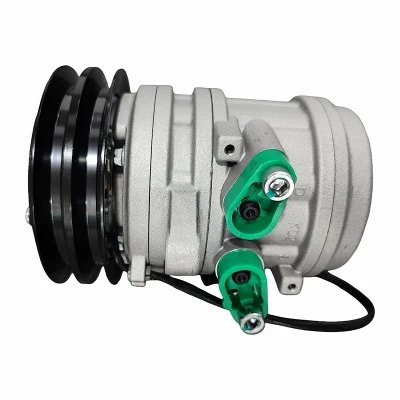
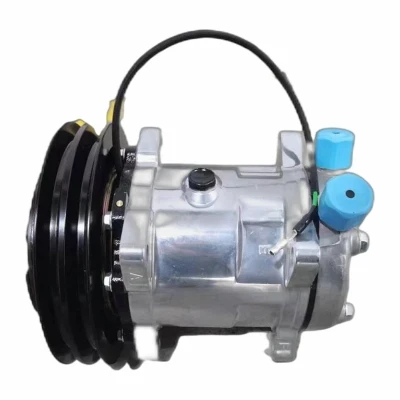
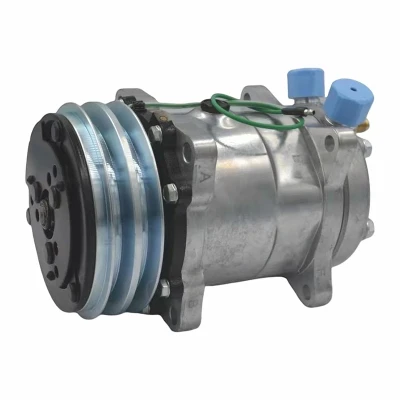
In the realm of construction machinery, loaders play a pivotal role in various operations. A crucial component of a loader is its compressor, which powers many of the loader's functions. Among the essential parts of a loader compressor, the air dryer stands out for its significant role. As a supplier of Loader Compressors, I am well - versed in the importance of air dryers and how they contribute to the overall performance of the equipment.
The Basics of a Loader Compressor
Before delving into the role of the air dryer, it's necessary to understand the basics of a loader compressor. A loader compressor is responsible for compressing air to a high pressure, which is then used to operate various pneumatic systems in the loader. These systems can include brakes, suspension, and other critical functions. The compressor takes in ambient air, compresses it, and delivers it to the relevant parts of the loader.
However, the air drawn in from the environment is not pure. It contains moisture, dust, and other contaminants. If these impurities are not removed, they can cause serious problems in the pneumatic systems of the loader. This is where the air dryer comes into play.
Role of the Air Dryer in a Loader Compressor
Moisture Removal
One of the primary roles of the air dryer is to remove moisture from the compressed air. When air is compressed, its temperature rises, and the moisture it contains becomes more concentrated. As the compressed air cools down in the system, the moisture can condense into liquid water. This water can cause several issues in the pneumatic components.
For example, water can corrode the internal parts of valves, cylinders, and pipes. Corrosion can lead to leaks, reduced efficiency, and ultimately, component failure. In the braking system of a loader, even a small amount of water can cause the brakes to malfunction, posing a serious safety risk. The air dryer uses desiccant materials or refrigeration techniques to remove the moisture from the compressed air, ensuring that the air delivered to the pneumatic systems is dry.
Contaminant Filtration
In addition to moisture, the ambient air also contains dust, dirt, and other contaminants. These particles can cause abrasion in the moving parts of the pneumatic components. For instance, in a cylinder, dust particles can scratch the piston and the cylinder walls, leading to increased friction and reduced sealing performance.
The air dryer is equipped with filters that can trap these contaminants. These filters are designed to capture particles of different sizes, ensuring that only clean air enters the pneumatic systems. By removing these contaminants, the air dryer helps to extend the lifespan of the pneumatic components and reduces the need for frequent maintenance.
Improving System Efficiency
A dry and clean air supply is essential for the efficient operation of the pneumatic systems in a loader. When the air contains moisture and contaminants, the performance of the valves and cylinders can be affected. For example, a valve may not open or close properly due to the presence of water or dirt, leading to a loss of pressure and reduced efficiency.
The air dryer ensures that the compressed air is of high quality, which allows the pneumatic systems to operate at their optimal level. This, in turn, improves the overall performance of the loader, leading to increased productivity and reduced energy consumption.
Protecting Against Freezing
In cold weather conditions, the moisture in the compressed air can freeze. When water freezes, it expands, which can cause damage to the pipes, valves, and other components of the pneumatic system. The air dryer prevents this from happening by removing the moisture from the air before it enters the system.
By ensuring that the air is dry, the air dryer protects the pneumatic components from freezing, allowing the loader to operate safely and efficiently in cold environments.
Impact on Loader Performance
The proper functioning of the air dryer has a direct impact on the performance of the loader. A well - maintained air dryer ensures that the pneumatic systems are reliable and efficient. This means that the loader can operate smoothly, with fewer breakdowns and less downtime.
For example, in a construction site, a loader with a reliable air dryer can perform its tasks without interruption. The brakes will work properly, the suspension will be stable, and other pneumatic functions will operate as intended. This not only improves the productivity of the loader but also enhances the safety of the operators and the surrounding environment.
Types of Air Dryers for Loader Compressors
There are several types of air dryers commonly used in loader compressors. The two main types are desiccant air dryers and refrigerated air dryers.
Desiccant Air Dryers
Desiccant air dryers use a desiccant material, such as silica gel or activated alumina, to adsorb the moisture from the compressed air. The desiccant material has a high affinity for water molecules, and as the compressed air passes through the dryer, the moisture is trapped by the desiccant.
These dryers are effective in removing moisture to very low levels, making them suitable for applications where a high degree of dryness is required. However, desiccant air dryers need to be regenerated periodically to remove the moisture from the desiccant material. This can be done using either a heat - less or a heated regeneration process.
Refrigerated Air Dryers
Refrigerated air dryers work by cooling the compressed air to a temperature where the moisture condenses. The condensed water is then removed from the air using a separator. These dryers are relatively simple and cost - effective, and they can provide a satisfactory level of dryness for most loader applications.
However, refrigerated air dryers are not as effective as desiccant air dryers in removing moisture to extremely low levels. They are also more sensitive to changes in ambient temperature and humidity.
Maintenance of Air Dryers
Proper maintenance of the air dryer is crucial to ensure its optimal performance. This includes regular inspection of the filters, desiccant material (in the case of desiccant air dryers), and the overall operation of the dryer.
The filters should be replaced at regular intervals to ensure that they can effectively trap the contaminants. In desiccant air dryers, the desiccant material needs to be replaced when it reaches its saturation point. For refrigerated air dryers, the cooling system should be maintained to ensure that it can cool the compressed air effectively.
Related Products
As a Loader Compressor supplier, we also offer a range of related products. For those interested in other construction machinery compressors, you can check out our Road Roller Compressor, Engineering Vehicle AC Compressor, and Construction Machinery Compressor. These products are designed to meet the specific needs of different construction applications.
Conclusion
The air dryer is an indispensable component of a loader compressor. Its role in removing moisture, filtering contaminants, improving system efficiency, and protecting against freezing is crucial for the reliable and efficient operation of the loader. As a supplier of Loader Compressors, we understand the importance of high - quality air dryers and ensure that our products are equipped with the best air drying solutions.
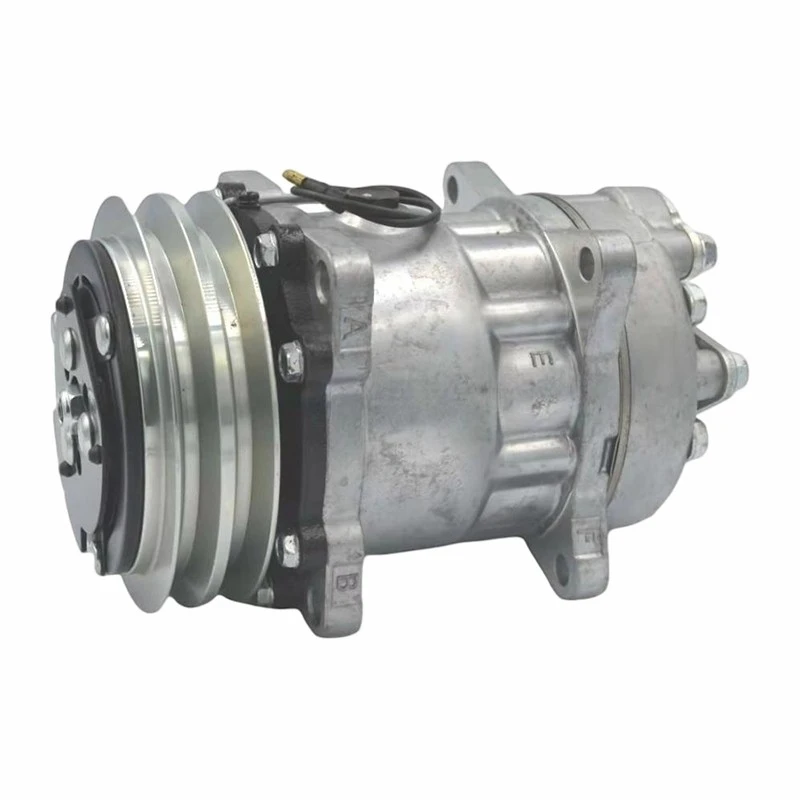
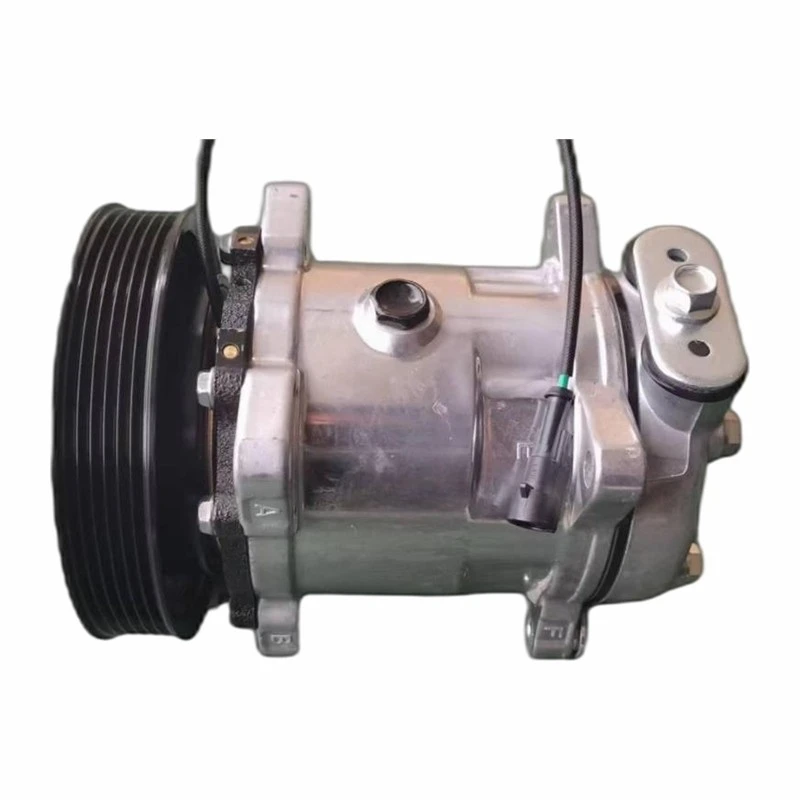
If you are in the market for a loader compressor or need to replace the air dryer in your existing equipment, we invite you to contact us for more information. Our team of experts is ready to assist you in finding the right solution for your needs.
References
- ASME Pressure Vessel and Piping Codes: These codes provide guidelines for the design, construction, and maintenance of air compressors and related components, including air dryers.
- Compressed Air and Gas Institute (CAGI) Standards: CAGI standards offer industry - recognized specifications for the performance and testing of air dryers.
- Manufacturer's Technical Documentation: The technical manuals provided by the manufacturers of air dryers and loader compressors contain detailed information about the operation, maintenance, and troubleshooting of these components.