

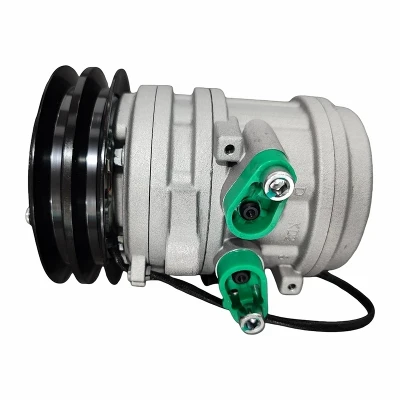
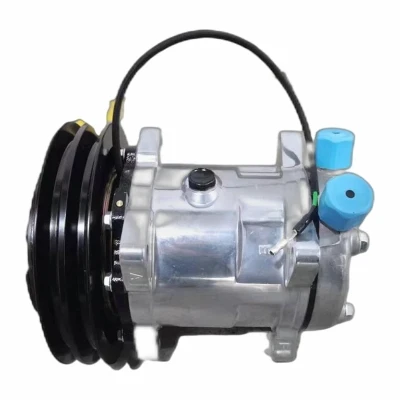
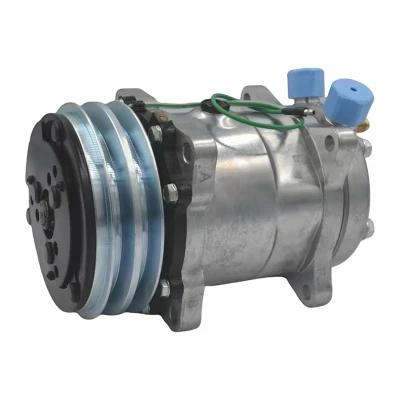
When it comes to agricultural air conditioning systems, the compressor plays a pivotal role in ensuring optimal performance. As a leading supplier of agricultural AC compressors, I've witnessed firsthand how the size of these compressors can significantly impact their overall performance. In this blog post, I'll delve into the various ways in which compressor size affects performance, and why it's crucial to choose the right size for your agricultural equipment.
Compressor Size and Cooling Capacity
One of the most obvious ways in which compressor size affects performance is through its cooling capacity. A larger compressor generally has a higher cooling capacity, which means it can remove more heat from the agricultural vehicle or equipment's interior. This is particularly important in hot and humid environments, where a high cooling capacity is essential to keep the operator comfortable and the equipment functioning properly.
For example, in a large agricultural vehicle such as a combine harvester, a bigger compressor can cool the cab more effectively, preventing the operator from overheating and improving productivity. On the other hand, a smaller compressor may struggle to keep up with the cooling demands of a large space, resulting in a less comfortable working environment and potentially reduced efficiency.
However, it's important to note that simply choosing the largest compressor available isn't always the best solution. An oversized compressor can lead to short cycling, where the compressor turns on and off frequently. This not only wastes energy but can also cause premature wear and tear on the compressor and other components of the air conditioning system. Therefore, it's crucial to select a compressor with a cooling capacity that is appropriate for the specific application.
Energy Efficiency
Another important factor to consider when evaluating the impact of compressor size on performance is energy efficiency. In general, a properly sized compressor will operate more efficiently than an oversized or undersized one. This is because an appropriately sized compressor can maintain a consistent temperature without having to work too hard, which reduces energy consumption.
An oversized compressor, as mentioned earlier, may short cycle, which means it consumes more energy than necessary. Each time the compressor starts up, it draws a large amount of power, and frequent starts and stops can add up to significant energy waste over time. Conversely, an undersized compressor may run continuously in an attempt to reach the desired temperature, also consuming more energy than a properly sized unit.
As an agricultural AC compressor supplier, I always recommend working with a professional to determine the right compressor size for your equipment. By doing so, you can ensure that your air conditioning system operates at peak efficiency, saving you money on energy costs in the long run.
Compressor Reliability and Lifespan
The size of an agricultural AC compressor can also have a significant impact on its reliability and lifespan. An oversized compressor is more likely to experience mechanical stress due to frequent starts and stops. This can lead to premature failure of components such as the compressor motor, valves, and pistons. Additionally, the increased wear and tear can result in more frequent breakdowns and costly repairs.
On the other hand, an undersized compressor may be forced to work beyond its capacity to meet the cooling demands. This can cause the compressor to overheat, which can also lead to component failure and a shorter lifespan. A properly sized compressor, however, operates within its designed limits, reducing the risk of mechanical stress and ensuring a longer, more reliable service life.
Noise and Vibration
Compressor size can also affect the level of noise and vibration produced by the air conditioning system. Larger compressors tend to generate more noise and vibration due to their increased power and size. This can be a significant issue in agricultural equipment, where a quiet and comfortable working environment is essential for the operator.
In some cases, excessive noise and vibration can also cause damage to the surrounding components of the equipment. To mitigate these issues, it's important to choose a compressor that is appropriately sized for the application and to use proper mounting and vibration isolation techniques.
Choosing the Right Compressor Size
As an agricultural AC compressor supplier, I understand the importance of choosing the right compressor size for your equipment. There are several factors to consider when making this decision, including the size of the space to be cooled, the ambient temperature, and the specific requirements of the agricultural vehicle or equipment.
To determine the appropriate compressor size, it's best to consult with a professional HVAC technician or an experienced supplier. They can perform a detailed load calculation based on the specific conditions of your application and recommend the most suitable compressor size.
Our Agricultural AC Compressor Offerings
At our company, we offer a wide range of agricultural AC compressors to meet the diverse needs of our customers. Whether you're looking for an Agricultural Vehicle Compressor, a Harvester Compressor, a Modern Agricultural Equipment Compressor, a Rice Transplanter Compressor, or a Special Compressor for Agricultural Machinery, we have the right solution for you.
Our compressors are designed and manufactured to the highest standards, ensuring reliable performance and long service life. We also offer comprehensive technical support and after-sales service to ensure that our customers are satisfied with their purchase.
Contact Us for Purchase and Consultation
If you're in the market for an agricultural AC compressor, we encourage you to contact us for more information. Our team of experts can help you choose the right compressor size for your equipment and provide you with a competitive quote. We're committed to providing our customers with the best products and services, and we look forward to working with you to meet your agricultural air conditioning needs.


References
- ASHRAE Handbook - HVAC Systems and Equipment. American Society of Heating, Refrigerating and Air-Conditioning Engineers.
- Compressor Manufacturer's Technical Documentation. Various manufacturers.
- Research Papers on Agricultural HVAC Systems. Academic Journals.