

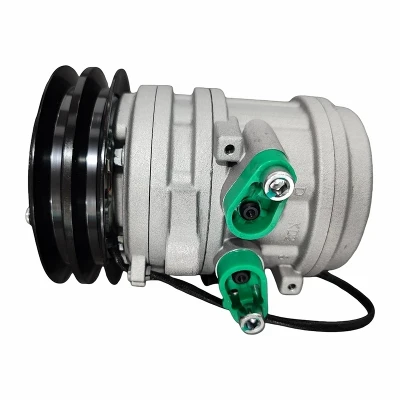
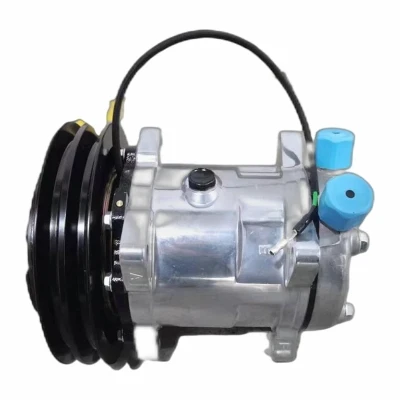
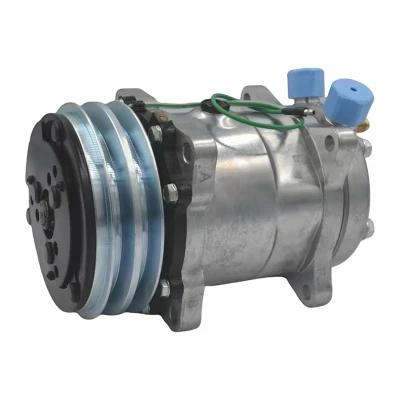
Adjusting the belt tension in a construction compressor is a crucial maintenance task that ensures optimal performance and longevity of the equipment. As a construction compressor supplier, I've seen firsthand how proper belt tension can make a big difference in the efficiency and reliability of these machines. In this blog post, I'll share some tips on how to adjust the belt tension in a construction compressor, along with some common mistakes to avoid.
Why Belt Tension Matters
First off, let's talk about why belt tension is so important. The belts in a construction compressor play a vital role in transmitting power from the engine to various components, such as the compressor pump and other accessories. If the belt is too loose, it can slip, causing a loss of power and potentially leading to overheating and premature wear of the belt and other parts. On the other hand, if the belt is too tight, it can put excessive strain on the bearings and other components, leading to premature failure.
Tools You'll Need
Before you start adjusting the belt tension, you'll need a few tools. Here's a list of what you'll typically need:
- A wrench or socket set: You'll use this to loosen and tighten the bolts that hold the compressor components in place.
- A belt tension gauge: This tool will help you measure the tension of the belt accurately.
- A pry bar (optional): In some cases, you may need a pry bar to move the compressor or other components slightly to adjust the belt tension.
Step-by-Step Guide to Adjusting Belt Tension
Now, let's get into the step-by-step process of adjusting the belt tension in a construction compressor.
Step 1: Safety First
Before you start working on the compressor, make sure it's turned off and disconnected from the power source. This will prevent any accidental starts and keep you safe while you're working.
Step 2: Locate the Belt and Adjustment Points
The next step is to locate the belt and the adjustment points on the compressor. The belt is usually easy to spot – it's the long, flexible band that runs between the engine pulley and the compressor pump pulley. The adjustment points are the bolts or nuts that you can loosen or tighten to change the position of the compressor pump or other components and adjust the belt tension.
Step 3: Measure the Existing Belt Tension
Using a belt tension gauge, measure the existing tension of the belt. Most belt tension gauges work by applying a specific amount of force to the belt and measuring the deflection. Refer to the manufacturer's specifications for the correct tension range for your compressor belt.
Step 4: Loosen the Adjustment Bolts
Once you've determined the existing belt tension, use a wrench or socket set to loosen the adjustment bolts. This will allow you to move the compressor pump or other components to adjust the belt tension.
Step 5: Adjust the Belt Tension
Using your hands or a pry bar, move the compressor pump or other components slightly to increase or decrease the belt tension. As you move the components, keep an eye on the belt tension gauge to ensure you're within the correct tension range.
Step 6: Tighten the Adjustment Bolts
Once you've adjusted the belt tension to the correct range, use a wrench or socket set to tighten the adjustment bolts. Make sure the bolts are tightened securely to prevent the belt from slipping or coming loose.
Step 7: Recheck the Belt Tension
After tightening the adjustment bolts, recheck the belt tension using the belt tension gauge. Make sure the tension is still within the correct range. If necessary, make further adjustments until the tension is correct.
Common Mistakes to Avoid
When adjusting the belt tension in a construction compressor, there are a few common mistakes that you should avoid:
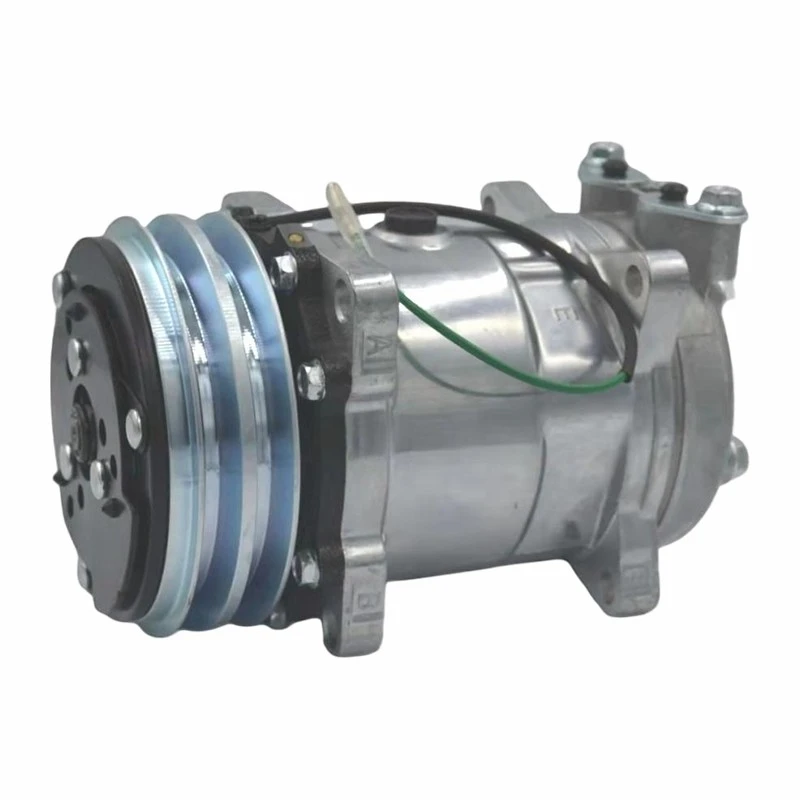
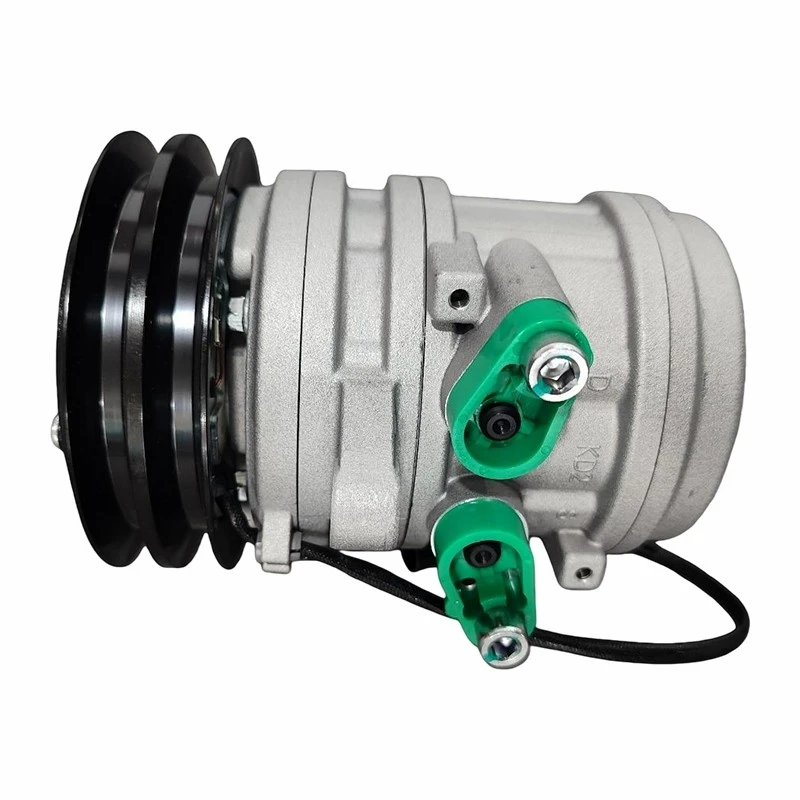
- Over-tightening the belt: As mentioned earlier, over-tightening the belt can put excessive strain on the bearings and other components, leading to premature failure. Make sure you stay within the manufacturer's recommended tension range.
- Not checking the belt condition: Before adjusting the belt tension, it's important to check the condition of the belt. Look for signs of wear, cracking, or damage. If the belt is worn or damaged, it should be replaced before adjusting the tension.
- Ignoring the manufacturer's specifications: Every compressor is different, and the manufacturer's specifications for belt tension may vary. Make sure you refer to the owner's manual or other documentation for your specific compressor to ensure you're adjusting the belt tension correctly.
Types of Construction Compressors
As a construction compressor supplier, we offer a variety of compressors for different applications. Here are some of the types of compressors we supply:
- Construction Engineering Compressor: These compressors are designed for use in construction projects, such as building foundations, road construction, and bridge building.
- Mining Machinery Compressor: Mining operations require reliable and powerful compressors to operate various mining equipment. Our mining machinery compressors are built to withstand the harsh conditions of the mining environment.
- Engineering Vehicle AC Compressor: These compressors are used in engineering vehicles, such as excavators, loaders, and bulldozers, to provide air conditioning and ventilation.
- Road Roller Compressor: Road rollers require compressors to operate the vibration systems and other components. Our road roller compressors are designed to provide reliable performance in the road construction industry.
- Loader Compressor: Loaders are essential equipment in construction sites, and our loader compressors are designed to meet the specific needs of these machines.
Conclusion
Adjusting the belt tension in a construction compressor is a relatively simple task that can have a big impact on the performance and longevity of the equipment. By following the steps outlined in this blog post and avoiding common mistakes, you can ensure that your compressor is operating at its best. If you have any questions or need further assistance with adjusting the belt tension in your construction compressor, don't hesitate to contact us. We're here to help you keep your equipment running smoothly.
If you're in the market for a new construction compressor or need replacement parts, we'd love to hear from you. Our team of experts can help you find the right compressor for your specific needs and provide you with the support you need to keep it running. Contact us today to start the procurement discussion and get the best solutions for your construction projects.
References
- Compressor Manufacturer's Owner's Manuals
- Industry Best Practices for Compressor Maintenance