

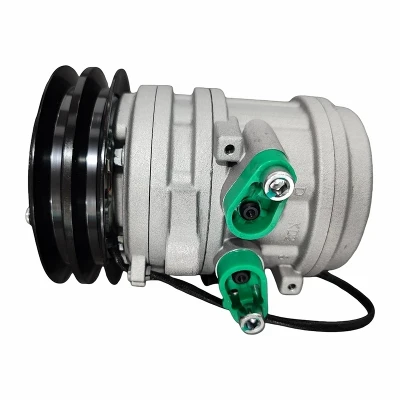
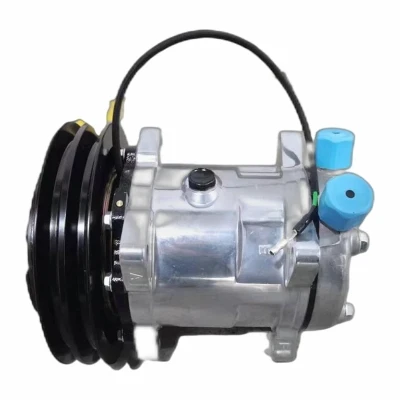
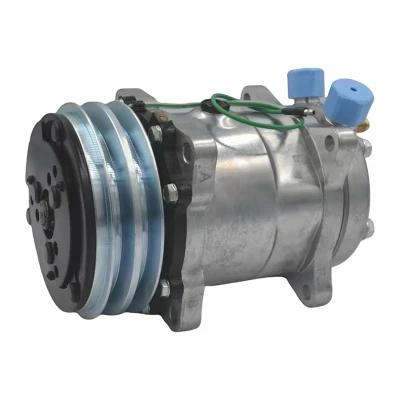
As a supplier of Agricultural Vehicle Compressor, I've been deeply involved in the industry, constantly exploring and understanding the various components and technologies that make these compressors function effectively. One question that often arises in the minds of our customers and industry enthusiasts is whether agricultural vehicle compressors need a belt drive. In this blog, I'll delve into this topic, examining the advantages and disadvantages of belt drives in agricultural vehicle compressors, and providing insights to help you make an informed decision.


The Basics of Belt Drives in Agricultural Vehicle Compressors
A belt drive is a common method of power transmission in many mechanical systems, including agricultural vehicle compressors. It consists of a belt that connects the compressor's pulley to the engine's crankshaft pulley. As the engine rotates, the belt transfers power from the engine to the compressor, causing it to operate. Belt drives are known for their simplicity, flexibility, and cost-effectiveness.
Advantages of Belt Drives in Agricultural Vehicle Compressors
1. Cost-Effectiveness
One of the primary advantages of belt drives is their cost-effectiveness. Belt drives are relatively inexpensive to manufacture and install compared to other power transmission methods, such as direct drives or gear drives. This makes them an attractive option for agricultural vehicle manufacturers, who are often looking for ways to reduce costs without sacrificing performance.
2. Flexibility
Belt drives offer a high degree of flexibility in terms of installation and operation. They can be easily adjusted to accommodate different engine speeds and compressor requirements. This flexibility allows for greater customization and optimization of the compressor system, ensuring that it operates efficiently under a variety of conditions.
3. Vibration Isolation
Belt drives can help to isolate the compressor from engine vibrations. The belt acts as a buffer, absorbing and dampening vibrations that could otherwise be transmitted to the compressor. This helps to reduce wear and tear on the compressor components, extending its lifespan and improving its reliability.
4. Easy Maintenance
Belt drives are relatively easy to maintain. The belt can be easily inspected and replaced if necessary, without the need for complex disassembly of the compressor or engine. This makes maintenance and repairs more convenient and cost-effective.
Disadvantages of Belt Drives in Agricultural Vehicle Compressors
1. Power Loss
One of the main disadvantages of belt drives is power loss. The belt itself creates friction as it rotates, which can result in a loss of power. This power loss can reduce the efficiency of the compressor system, leading to increased fuel consumption and reduced performance.
2. Belt Wear and Tension
Belt drives are subject to wear and tear over time. The belt can stretch, crack, or break, which can affect the performance of the compressor system. Additionally, the belt tension needs to be properly maintained to ensure optimal power transmission. If the belt is too loose, it can slip, causing a loss of power. If the belt is too tight, it can put excessive stress on the compressor and engine components, leading to premature wear and failure.
3. Limited Speed Range
Belt drives have a limited speed range. They are typically designed to operate within a specific speed range, and if the engine speed exceeds this range, the belt can slip or break. This can limit the performance of the compressor system, especially in applications where high speeds are required.
4. Environmental Sensitivity
Belt drives are sensitive to environmental conditions. They can be affected by dust, dirt, moisture, and temperature changes, which can cause the belt to wear more quickly or slip. In agricultural applications, where the environment can be harsh and unpredictable, this can be a significant concern.
Alternatives to Belt Drives in Agricultural Vehicle Compressors
1. Direct Drives
Direct drives eliminate the need for a belt by directly connecting the compressor to the engine. This can reduce power loss and improve the efficiency of the compressor system. However, direct drives are typically more expensive and less flexible than belt drives.
2. Gear Drives
Gear drives use gears to transfer power from the engine to the compressor. They offer a high degree of efficiency and reliability, but they are also more complex and expensive than belt drives.
Conclusion
So, do agricultural vehicle compressors need a belt drive? The answer depends on a variety of factors, including the specific application, the operating conditions, and the cost and performance requirements. Belt drives offer several advantages, such as cost-effectiveness, flexibility, and vibration isolation, but they also have some disadvantages, such as power loss, belt wear, and limited speed range.
As a supplier of Agricultural Vehicle Compressor, Harvester Compressor, and Agricultural Machinery Cab AC Compressor, we understand the importance of choosing the right power transmission method for your agricultural vehicle compressor. We can provide you with expert advice and guidance to help you make an informed decision based on your specific needs and requirements.
If you're interested in learning more about our agricultural vehicle compressors or have any questions about belt drives or other power transmission methods, please don't hesitate to contact us. We're here to help you find the best solution for your agricultural vehicle compressor needs.
References
- "Automotive Air Conditioning Systems" by William C. Huber
- "Agricultural Machinery Design and Operation" by George R. Stout
- "Power Transmission Handbook" by John J. McKee