

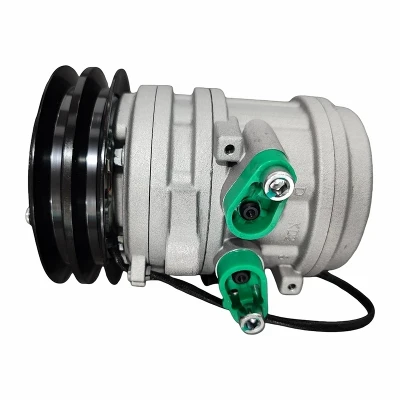
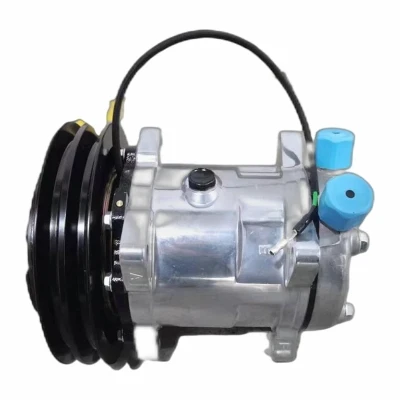
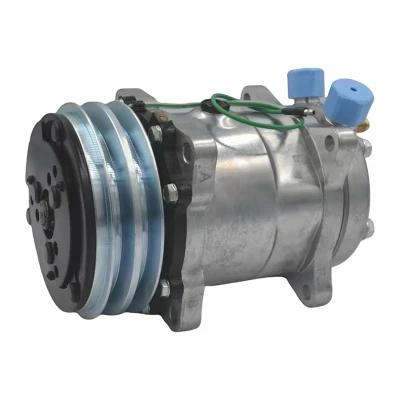
Hey there! As a supplier of construction compressors, I've seen firsthand how these machines are integral to the construction industry. But like any piece of equipment, they come with their own set of environmental impacts. Let's dive into what those impacts are and how we can work towards minimizing them.
Energy Consumption
One of the most significant environmental impacts of using a construction compressor is its energy consumption. These compressors typically run on electricity or diesel fuel, both of which have their own environmental footprints.
When it comes to electric compressors, the energy they use is often generated from non - renewable sources like coal, natural gas, or nuclear power. Coal - fired power plants, for example, are major emitters of carbon dioxide (CO₂), sulfur dioxide (SO₂), and particulate matter. These pollutants contribute to global warming, acid rain, and respiratory problems in humans.
Diesel - powered compressors, on the other hand, burn diesel fuel directly. Diesel engines are known for their high emissions of nitrogen oxides (NOₓ), particulate matter (PM), and CO₂. NOₓ contributes to the formation of smog and acid rain, while PM can cause serious health issues, especially for those with respiratory conditions.
To put it in perspective, a large - scale construction compressor can consume a substantial amount of energy over its lifetime. This continuous energy demand not only depletes finite energy resources but also adds to the overall greenhouse gas emissions in the atmosphere.
Noise Pollution
Another environmental impact that is often overlooked is noise pollution. Construction compressors can be extremely noisy, especially when they are operating at full capacity. The constant loud noise can have a negative impact on the surrounding environment and the people living or working nearby.
Noise pollution can disrupt the natural behavior of wildlife. For example, it can interfere with the communication, mating, and feeding patterns of birds and other animals. In urban areas, the noise from construction compressors can cause annoyance, stress, and even hearing loss for residents.
According to the World Health Organization (WHO), prolonged exposure to noise levels above 85 decibels (dB) can cause permanent hearing damage. Construction compressors can easily reach noise levels of 90 dB or more, especially in confined spaces. This makes it crucial for construction sites to implement noise - reduction measures, such as using sound - proof enclosures or scheduling compressor operations during less - sensitive hours.
Air Pollution
In addition to the emissions from the energy sources used to power them, construction compressors can also emit pollutants directly. For instance, the lubricating oil used in compressors can evaporate and release volatile organic compounds (VOCs) into the air. VOCs are known to react with sunlight and other pollutants to form ground - level ozone, a major component of smog.
Moreover, if the compressor is not properly maintained, it can leak refrigerant gases. These gases, such as chlorofluorocarbons (CFCs) and hydrochlorofluorocarbons (HCFCs), are potent greenhouse gases that can contribute to the depletion of the ozone layer. Although the use of CFCs has been phased out in many countries, some older compressors may still contain these harmful substances.
Waste Generation
Construction compressors also generate waste during their operation and maintenance. For example, the filters used in compressors need to be replaced regularly to ensure proper functioning. These filters, once discarded, become solid waste that needs to be disposed of properly.


Additionally, the lubricating oil in compressors needs to be changed periodically. Used oil is considered hazardous waste because it may contain heavy metals and other contaminants. Improper disposal of used oil can contaminate soil and water sources, posing a threat to the environment and human health.
Minimizing the Environmental Impacts
As a construction compressor supplier, I'm committed to helping our customers minimize the environmental impacts of using our products. Here are some ways we can achieve this:
Energy - Efficient Compressors
We offer a range of energy - efficient compressors that are designed to consume less energy without sacrificing performance. These compressors use advanced technologies, such as variable speed drives, which adjust the compressor's speed according to the actual demand. This not only reduces energy consumption but also extends the lifespan of the compressor.
You can check out our Construction Engineering Compressor and Special Compressor for Construction Machinery for more energy - efficient options.
Noise - Reduction Measures
We provide sound - proof enclosures for our compressors to reduce noise pollution. These enclosures are made of high - quality materials that can effectively absorb and block sound. We also offer training to our customers on how to operate the compressors in a way that minimizes noise.
Emission - Control Technologies
Our compressors are equipped with emission - control technologies to reduce the release of pollutants into the air. For example, we use catalytic converters in our diesel - powered compressors to reduce NOₓ and PM emissions. We also ensure that our compressors are properly maintained to prevent refrigerant leaks.
Proper Waste Management
We educate our customers on the importance of proper waste management. We provide guidelines on how to dispose of used filters and oil safely. We also encourage our customers to recycle these materials whenever possible.
Conclusion
In conclusion, while construction compressors play a vital role in the construction industry, they also have significant environmental impacts. However, by using energy - efficient compressors, implementing noise - reduction measures, adopting emission - control technologies, and practicing proper waste management, we can minimize these impacts.
If you're in the market for a construction compressor and want to make an environmentally - friendly choice, we're here to help. Our team of experts can guide you through the selection process and provide you with the best solutions for your needs. Whether you're looking for a Construction Engineering Compressor, a Special Compressor for Construction Machinery, or a Heavy Machinery Compressor, we've got you covered.
Don't hesitate to reach out to us for more information or to start a procurement discussion. Let's work together to build a more sustainable future!
References
- World Health Organization. (2018). Guidelines for Community Noise.
- U.S. Environmental Protection Agency. (2020). Greenhouse Gas Emissions from the Industrial Sector.
- International Energy Agency. (2021). Energy Efficiency in the Industrial Sector.