

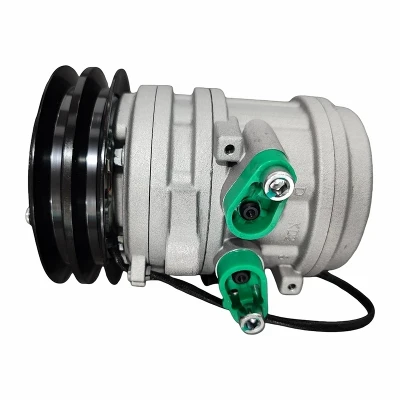
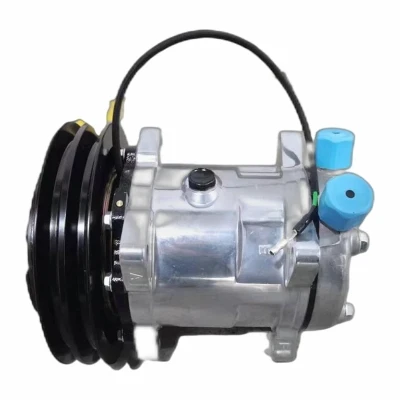
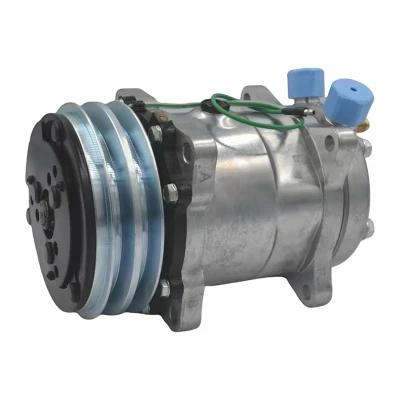
Alright, folks! As a supplier of Fixed Displacement Compressors, I've seen firsthand how the saltwater environment in marine applications can have a big impact on these compressors. Let's dive right in and explore this topic.
Corrosion: The Big Bad Wolf
One of the most obvious and significant ways the saltwater environment affects fixed displacement compressors is through corrosion. Saltwater is highly corrosive due to the presence of salts, mainly sodium chloride. When a compressor is exposed to saltwater, either through direct contact or via salt - laden air, it starts a chemical reaction that eats away at the compressor's metal components.
The outer casing of the fixed displacement compressor is often the first to show signs of corrosion. Rust starts to form on the surface, which not only looks bad but can also lead to pitting. Pitting corrosion creates small holes in the metal, weakening the structure over time. The compressor's internal components, such as the pistons, valves, and connecting rods, are also at risk. If corrosion attacks these parts, it can lead to reduced efficiency and even complete failure of the compressor.
For example, if the pistons corrode, the seal between the pistons and the cylinder walls can be compromised. This means that the compressor won't be able to compress the air effectively, resulting in lower pressure output. And if the valves are corroded, they may not open and close properly, disrupting the normal flow of air in and out of the compressor.
Effects on Lubrication
The saltwater environment can also mess with the lubrication system of a fixed displacement compressor. Lubrication is crucial for a compressor as it reduces friction between moving parts, prevents wear and tear, and helps dissipate heat.
Saltwater can contaminate the lubricating oil. When salt gets into the oil, it can cause the oil to break down more quickly. The salt can act as an abrasive, increasing the friction between the moving parts. This not only leads to more wear but also generates more heat. Excessive heat can further degrade the oil, creating a vicious cycle.
Moreover, the presence of salt in the oil can cause the formation of sludge. Sludge is a thick, sticky substance that can clog the oil passages in the compressor. If the oil can't flow freely, the parts won't get the lubrication they need, and the compressor's performance will suffer.


Impact on Sealing
Sealing is another area where saltwater can cause problems. A fixed displacement compressor relies on seals to keep the compressed air from leaking. But the saltwater environment can damage these seals.
The salt in the water can cause the rubber or plastic seals to dry out and harden. When the seals become brittle, they crack more easily. Once a seal cracks, air can leak out of the compressor, reducing its efficiency. Additionally, if water manages to seep past the seals and into the internal components of the compressor, it can exacerbate the corrosion and lubrication issues we talked about earlier.
Alternatives and Their Comparisons
Now, you might be wondering if there are other types of compressors that are more suitable for the saltwater environment. Well, there are some alternatives like the Variable Displacement Air Compressor, Swash Plate Ac Compressor, Variable Swash Plate Compressor, and Variable Displacement AC Compressor.
Variable displacement compressors can adjust their output according to the demand, which can be an advantage in some marine applications where the air requirements vary. However, they are usually more complex and expensive than fixed displacement compressors. Swash plate compressors, whether fixed or variable, are popular in many applications due to their compact design. But they too face similar challenges in the saltwater environment as fixed displacement compressors.
In contrast, our Fixed Displacement Compressor has its own advantages. It is relatively simple in design, which means it is easier to maintain and repair. And with the right protective measures, it can perform well in the saltwater environment.
Protecting Your Fixed Displacement Compressor
So, how can you protect your fixed displacement compressor from the harsh saltwater environment? First of all, coating the compressor with a corrosion - resistant paint or finish can go a long way. This creates a barrier between the metal and the saltwater, reducing the chance of corrosion.
Regular maintenance is also key. Check the compressor's lubricating oil regularly and change it as soon as it shows signs of contamination. Inspect the seals for any signs of damage and replace them promptly. And keep the compressor clean by washing it with fresh water after exposure to saltwater.
Conclusion and Call to Action
In conclusion, the saltwater environment in marine applications can pose significant challenges to fixed displacement compressors. But with proper understanding and the right protective measures, these compressors can still serve you well.
If you're in the market for a reliable fixed displacement compressor for your marine application, look no further. We are experts in providing high - quality compressors that are built to withstand the rigors of the saltwater environment. Whether you need a compressor for a small boat or a large marine vessel, we've got you covered. Get in touch with us to discuss your specific requirements and let's find the perfect compressor for you.
References
- Marine Industry Handbook on Compressor Applications
- Academic studies on Corrosion in Coastal and Marine Equipment