

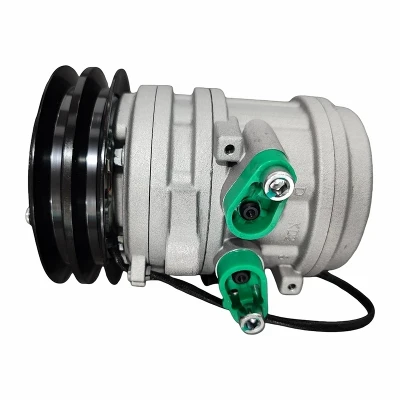
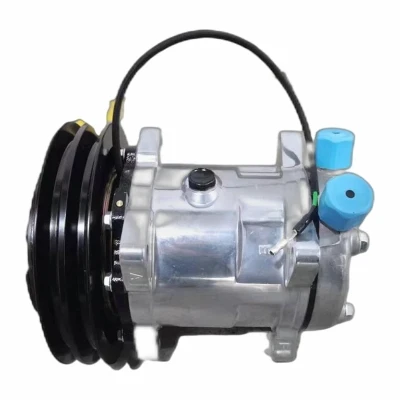
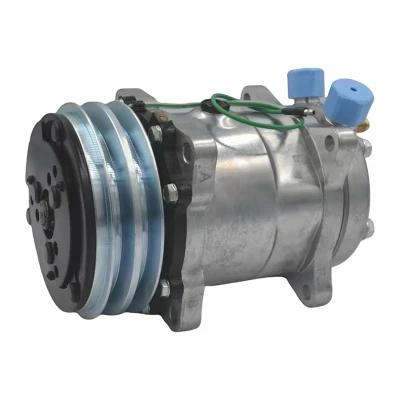
As a supplier of Road Roller Compressors, I've seen firsthand how crucial proper lubrication is for these machines. Road roller compressors are workhorses in the construction industry, and keeping them well - lubricated ensures they run smoothly and have a long service life. So, let's dive into the lubrication requirements for a road roller compressor.
Why Lubrication Matters
First off, why do we even need to lubricate a road roller compressor? Well, the compressor has a lot of moving parts. Pistons, cylinders, valves, and gears all rub against each other during operation. Without proper lubrication, this friction can cause excessive wear and tear. It can lead to overheating, which in turn can damage the components. Plus, friction can reduce the efficiency of the compressor, meaning it has to work harder to achieve the same output. And that's not good for energy consumption or the overall performance of the road roller.
Types of Lubricants
There are different types of lubricants that can be used in a road roller compressor. Mineral oils are a common choice. They're relatively inexpensive and have good lubricating properties. Mineral oils are refined from crude oil and can handle normal operating temperatures. However, they may not be the best option in extreme conditions.


Synthetic oils, on the other hand, are a step up. They're designed in a lab to have specific properties. Synthetic oils can withstand higher temperatures without breaking down, which is great for compressors that work in hot environments. They also have better anti - wear properties, which means they can protect the moving parts of the compressor for longer periods.
Another type is semi - synthetic oils. These are a blend of mineral and synthetic oils. They offer a good balance between cost and performance. They're a popular choice for many road roller compressors because they can handle a wide range of operating conditions.
Lubrication Frequency
How often should you lubricate a road roller compressor? Well, it depends on a few factors. The type of compressor, the operating conditions, and the type of lubricant all play a role.
If the compressor is running continuously in a harsh environment, like a construction site with a lot of dust and debris, it may need to be lubricated more frequently. In general, for normal operating conditions, it's a good idea to check the lubricant level daily. You can do this by looking at the oil sight glass on the compressor. If the level is low, you should add more lubricant.
As for changing the lubricant, it's usually recommended to do this every 500 - 1000 operating hours. But again, this can vary. If you're using synthetic oil, it may last longer than mineral oil. And if the compressor is working under extreme conditions, you may need to change the oil more often.
Lubrication Quantity
Getting the right amount of lubricant is also important. Too little lubricant won't provide enough protection for the moving parts, while too much can cause problems as well. Over - lubrication can lead to foaming, which reduces the lubricant's effectiveness. It can also cause oil to leak out of the compressor, creating a mess and potentially causing environmental issues.
The manufacturer's guidelines will tell you the correct lubrication quantity for your specific road roller compressor. Make sure to follow these guidelines carefully. You can also consult with a professional if you're unsure.
Lubrication Points
A road roller compressor has several lubrication points. The crankcase is one of the most important. This is where the oil is stored and circulated to lubricate the pistons, cylinders, and other internal components. You need to make sure the oil in the crankcase is at the correct level and is clean.
The bearings also need to be lubricated. Bearings are responsible for reducing friction between rotating parts. If they're not properly lubricated, they can wear out quickly, leading to costly repairs.
The valves and gears are other areas that require lubrication. These parts are essential for the proper functioning of the compressor, and keeping them well - lubricated ensures smooth operation.
Compatibility with Other Construction Machinery
If you're using a road roller compressor in conjunction with other construction machinery, it's important to consider lubricant compatibility. For example, if you're using a Loader Compressor or a Bulldozer Compressor on the same site, you want to make sure the lubricants used in these machines are compatible. Incompatible lubricants can cause chemical reactions, which can damage the compressors and other machinery.
Maintenance and Monitoring
Proper lubrication is just one part of the maintenance process for a road roller compressor. You also need to monitor the compressor's performance. Check for any signs of abnormal noise, vibration, or temperature. If you notice any of these issues, it could be a sign of a lubrication problem or other mechanical issue.
Regularly inspect the lubricant for signs of contamination. Contaminants like dirt, water, or metal particles can reduce the effectiveness of the lubricant. If you find that the lubricant is contaminated, you should change it immediately.
Conclusion
In conclusion, proper lubrication is essential for the performance and longevity of a road roller compressor. By choosing the right type of lubricant, lubricating at the right frequency and quantity, and paying attention to the lubrication points, you can keep your compressor running smoothly.
If you're in the market for a Road Roller Compressor or other Construction Machinery Compressor or Construction Machinery Equipment Compressor, I'd be more than happy to help. We offer high - quality compressors and can provide you with all the information you need about lubrication and maintenance. Don't hesitate to reach out if you have any questions or are interested in purchasing.
References
- Manufacturer's manuals for road roller compressors
- Industry standards for compressor lubrication
- Technical papers on construction machinery maintenance