

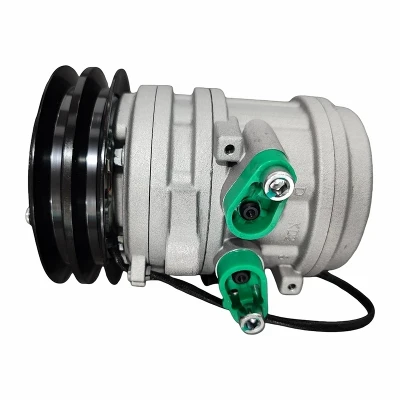
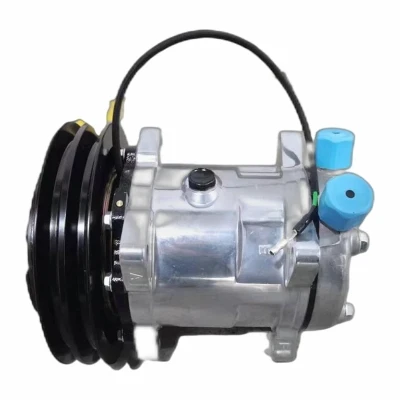
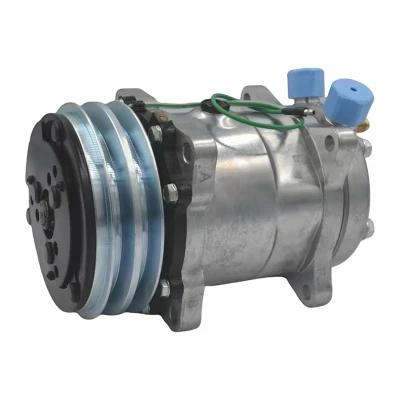
As a supplier of Variable Swash Plate Compressors, I've witnessed firsthand the importance of these components in various systems, especially in automotive air - conditioning systems. A failing Variable Swash Plate Compressor can lead to significant performance issues and even system breakdowns. In this blog, I'll share the signs that indicate a compressor is on the verge of failure, helping you to diagnose problems early and avoid costly repairs.
1. Poor Cooling Performance
One of the most obvious signs that a Variable Swash Plate Compressor is failing is a decrease in cooling efficiency. In an automotive context, this means the air blowing from the vents is not as cold as it should be. When the compressor fails, it cannot effectively compress the refrigerant gas. The refrigerant plays a crucial role in absorbing heat from the air inside the vehicle and releasing it outside. Without proper compression, the refrigerant cycle is disrupted.
A failing compressor may not be able to maintain the correct pressure levels in the refrigerant system. As a result, the heat exchange process is less efficient. You might notice that it takes longer for the interior of your vehicle to cool down, or the temperature doesn't drop to the desired level. If you own a vehicle equipped with a Variable Displacement AC Compressor, poor cooling can be a major inconvenience, especially during hot summer months.
2. Unusual Noises
Another tell - tale sign of a failing Variable Swash Plate Compressor is the presence of unusual noises. These noises can range from rattling and grinding to hissing and squealing.
Rattling noises often indicate loose components within the compressor. Over time, the constant vibration and movement of the swash plate and pistons can cause parts to become loose. If not addressed, these loose parts can cause further damage to the compressor and other components in the system.
Grinding noises are a serious concern. They usually suggest that there is excessive wear and tear on the internal components of the compressor. For example, if the bearings in the compressor are worn out, they can cause the rotating parts to rub against each other, creating a grinding sound.
Hissing noises are often associated with refrigerant leaks. The swash plate compressor is responsible for pressurizing the refrigerant. If there is a leak in the compressor or its associated tubing, the refrigerant will escape, creating a hissing sound. You can read more about the Compressor in Automobile to understand how these noises can impact the overall system.
3. Excessive Vibration
A properly functioning Variable Swash Plate Compressor should operate smoothly with minimal vibration. However, when the compressor starts to fail, you may notice excessive vibration, especially in the area where the compressor is located.
Excessive vibration can be caused by several factors. One common cause is an imbalance in the swash plate or the pistons. If the swash plate is not properly balanced, it can cause the compressor to shake violently during operation. This not only puts additional stress on the compressor but also on other components in the system, potentially leading to further damage.
Another possible cause of excessive vibration is worn - out mounts. The compressor is typically mounted to the engine or another part of the vehicle using rubber or metal mounts. Over time, these mounts can wear out or become damaged, allowing the compressor to vibrate more freely. You can find more information about Swash Plate Ac Compressor to understand how these vibrations can occur.
4. High - Pressure or Low - Pressure Readings
Monitoring the pressure levels in the refrigerant system is an effective way to detect a failing Variable Swash Plate Compressor. In a healthy system, the pressure should be within a specific range.
High - pressure readings can indicate that the compressor is not able to release the compressed refrigerant properly. This could be due to a blockage in the system, a faulty expansion valve, or a problem with the compressor itself. When the pressure is too high, it can put excessive stress on the compressor and other components, increasing the risk of failure.
On the other hand, low - pressure readings suggest that the compressor is not compressing the refrigerant effectively. This could be caused by a refrigerant leak, a worn - out compressor, or a problem with the suction side of the system. If you notice abnormal pressure readings, it's important to have the system inspected by a professional as soon as possible. You can refer to our Variable Displacement Swash Plate Compressor page for more details on how the compressor affects pressure levels.
5. Compressor Not Engaging or Disengaging
The Variable Swash Plate Compressor should engage and disengage at the appropriate times to maintain the desired temperature in the system. If you notice that the compressor is not engaging, it may not be receiving power, or there could be a problem with the clutch mechanism. The clutch is responsible for connecting and disconnecting the compressor from the engine's power source.
Alternatively, if the compressor fails to disengage, it can lead to overheating and excessive wear on the compressor. This can happen if the clutch is stuck or if there is a problem with the control system. If you're experiencing issues with the compressor's engagement or disengagement, it's a clear sign that something is wrong with the Variable Swash Plate Compressor.
Periodic Maintenance and Inspection
Regular maintenance is key to preventing compressor failure. Periodically inspecting the compressor for signs of wear, leaks, and proper operation can help you catch problems early. You should also follow the manufacturer's recommended maintenance schedule, which may include tasks such as checking the refrigerant level, replacing the compressor oil, and cleaning the compressor.
Importance of Early Diagnosis
Early diagnosis of a failing Variable Swash Plate Compressor can save you time and money in the long run. By recognizing the signs early, you can address the problem before it causes more extensive damage to the compressor and other components in the system. This not only reduces the cost of repairs but also minimizes downtime.
Reach Out for Quality Compressors
If you're facing issues with your Variable Swash Plate Compressor or are in the market for a new one, don't hesitate to reach out. As a trusted supplier, we offer high - quality Variable Swash Plate Compressors that are designed to meet the highest standards of performance and reliability. Contact us to discuss your requirements and explore how our products can solve your problems.


References
- Compression Technology Handbook, Second Edition by Terry A. Walsh
- Refrigeration & Air Conditioning Technology by William C. Whitman, William M. Johnson, and John Tomczyk