

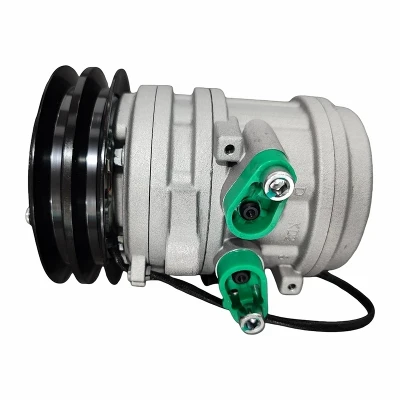
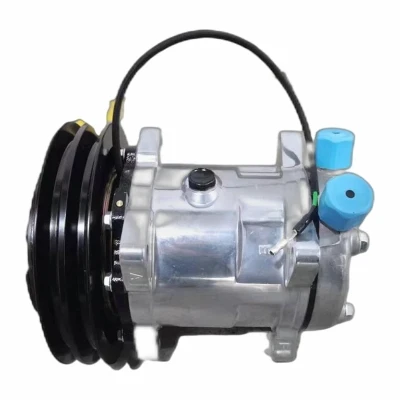
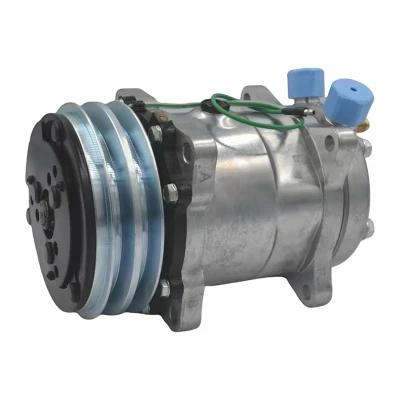
Measuring the performance of a heavy machinery compressor is crucial for both suppliers like us and the end - users. As a heavy machinery compressor supplier, we know how important it is to have a clear understanding of how well these compressors are working. In this blog, I'll share some key ways to measure the performance of a heavy machinery compressor.
1. Pressure and Flow Rate
The most basic and important aspects of a compressor's performance are pressure and flow rate. Pressure is measured in pounds per square inch (psi) or bar. A compressor should be able to reach and maintain the required pressure for the machinery it's attached to. For example, a Bulldozer Compressor might need to generate a certain high - pressure level to power the hydraulic systems of the bulldozer.
Flow rate, on the other hand, is measured in cubic feet per minute (CFM) or liters per minute (LPM). It indicates how much air the compressor can deliver in a given time. If the flow rate is too low, the machinery won't get enough air to operate efficiently. For instance, a Loader Compressor needs an appropriate flow rate to ensure smooth operation of its pneumatic tools.
To measure pressure, you can use a pressure gauge. Just connect it to the output of the compressor and read the value. For flow rate, there are specialized flow meters available. Some modern compressors even come with built - in sensors that can display both pressure and flow rate on a control panel.
2. Power Consumption
Power consumption is another key factor. A compressor that uses too much power is not only costly to operate but may also be inefficient. You can measure power consumption using a wattmeter. Simply connect the wattmeter between the compressor and the power source.
The power consumption should be compared to the compressor's rated power. If the actual power consumption is significantly higher than the rated power, it could indicate a problem. Maybe there's a leak in the system, or the compressor is working harder than it should due to a malfunction. For example, a Road Roller Compressor that consumes excessive power might have a damaged piston or a clogged air filter.


3. Efficiency
Efficiency is a measure of how well the compressor converts electrical or mechanical energy into compressed air. It's usually expressed as a percentage. To calculate the efficiency, you need to know the power input (from the power consumption measurement) and the useful work done by the compressor, which is related to the pressure and flow rate.
The formula for efficiency is: Efficiency = (Useful power output / Power input) x 100%. A more efficient compressor will use less energy to produce the same amount of compressed air. As a supplier, we always strive to provide compressors with high efficiency. For example, our Special Compressor for Construction Machinery is designed to be as efficient as possible to save our customers money on energy costs.
4. Temperature
Monitoring the temperature of the compressor is essential. Excessive heat can damage the compressor components and reduce its lifespan. You can use a temperature sensor to measure the temperature of the compressor's motor, cylinders, and other critical parts.
If the temperature is too high, it could be due to several reasons. Maybe the compressor is overloaded, there's not enough cooling, or there's a problem with the lubrication. For example, in an Engineering Vehicle Refrigeration Compressor, high temperatures can affect the refrigeration cycle and lead to poor performance.
5. Noise Level
Noise level is also an important aspect, especially in construction sites where there are already many loud noises. A compressor that makes too much noise can be a nuisance to the workers and may even violate noise regulations. You can use a sound level meter to measure the noise level of the compressor.
If the noise level is unusually high, it could be a sign of a mechanical problem. Maybe there are loose parts, or the compressor's vibration isolation is not working properly. We always try to design our compressors to operate quietly, so they don't add to the noise pollution on the job site.
6. Maintenance and Reliability
Measuring the performance of a compressor also involves looking at its maintenance requirements and reliability. A reliable compressor should have a long service life and require minimal maintenance. You can keep track of how often the compressor needs maintenance, such as oil changes, filter replacements, and part repairs.
A compressor that breaks down frequently is not a good investment. We offer high - quality compressors that are designed to be reliable and easy to maintain. Our after - sales service team is always ready to help our customers with any maintenance issues.
Why Measuring Performance Matters
For us as a supplier, measuring the performance of our heavy machinery compressors helps us improve our products. We can identify areas where our compressors can be made more efficient, reliable, and quiet. By providing high - performing compressors, we can build a good reputation in the market and attract more customers.
For the end - users, measuring the performance of the compressor is crucial for ensuring the smooth operation of their machinery. A well - performing compressor means less downtime, lower energy costs, and better overall productivity.
If you're in the market for a heavy machinery compressor, or if you need to measure the performance of your existing compressor, feel free to get in touch with us. We have a team of experts who can provide you with the right advice and solutions. Whether you need a Bulldozer Compressor, a Loader Compressor, or any other type of heavy machinery compressor, we're here to help. Let's start a conversation about your compressor needs and how we can meet them.
References
- Compressor Handbook, various editions
- Engineering standards related to heavy machinery compressors
- Industry research reports on compressor performance and efficiency