

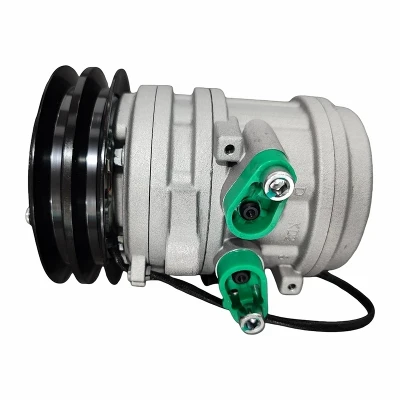
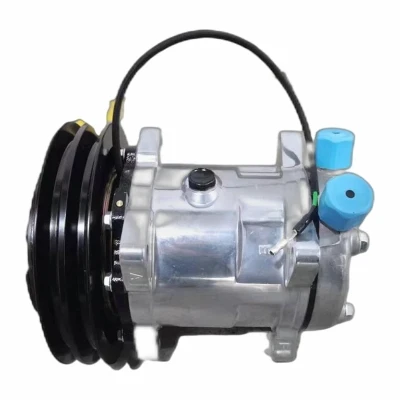
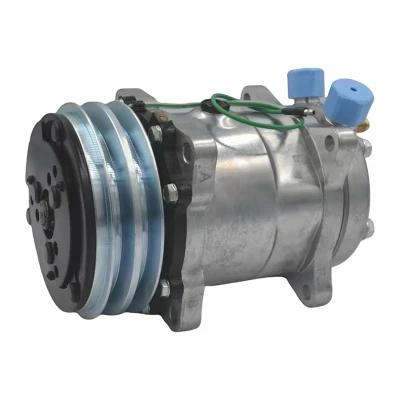
Hey there! As a supplier of Variable Swash Plate Compressors, I've seen firsthand how dust can mess with these nifty machines. Let's dive into what dust does to a Variable Swash Plate Compressor and why it's a big deal.
First off, what's a Variable Swash Plate Compressor anyway? Well, it's a type of compressor that's super important in a bunch of applications, especially in cars. It's used to compress refrigerant in the air - conditioning system, making sure you stay cool on those hot days. You can learn more about it on our Swash Plate Type Compressor and Swash Plate Ac Compressor pages.
Now, let's talk about dust. Dust is everywhere. It's in the air we breathe, in our homes, and it can definitely find its way into a Variable Swash Plate Compressor. When dust gets inside the compressor, it can cause a whole heap of problems.
One of the major impacts of dust on a Variable Swash Plate Compressor is wear and tear. The swash plate and other moving parts in the compressor are designed to work smoothly against each other. But when dust particles get in between these parts, they act like tiny abrasives. They scratch and damage the surfaces of the components. Over time, this can lead to increased friction. More friction means the compressor has to work harder to function. It's like trying to run with sand in your shoes - it just makes everything a lot more difficult.
This increased friction also generates more heat. Compressors are already prone to getting hot during normal operation, but the extra heat from the friction caused by dust can push the limits. Excessive heat can cause the lubricants inside the compressor to break down. You see, lubricants are crucial for keeping the moving parts slippery and reducing wear. When they start to break down, the wear and tear on the compressor parts accelerate even more. It's a vicious cycle.


Another problem is that dust can clog the small passages in the compressor. These passages are used for the flow of refrigerant and lubricant. When they get clogged, the flow is restricted. This means that the compressor can't work efficiently. The refrigerant might not circulate properly, which leads to a drop in cooling performance. If you've ever felt like your car's AC isn't as cold as it used to be, dust clogging in the compressor could be the culprit.
A clogged compressor also has to deal with higher pressures. The restricted flow forces the compressor to push the refrigerant and lubricant through the narrow passages. This can lead to over - pressurization, which might cause seals to fail. When the seals fail, the refrigerant can leak out. Not only does this mean your AC won't work as well, but it's also bad for the environment because many refrigerants are harmful if released into the atmosphere.
Dust can also mess with the control mechanisms of a Variable Swash Plate Compressor. These compressors can adjust their displacement based on the demand. For example, if you don't need as much cooling, the compressor can reduce its output. But dust can interfere with the sensors and valves that control this process. A dirty sensor might give inaccurate readings, and a clogged valve might not open or close properly. This can lead to the compressor operating in an inefficient or incorrect mode, wasting energy and potentially causing more damage in the long run.
So, how can you tell if dust is causing problems in your Variable Swash Plate Compressor? There are a few signs. If you notice that your AC isn't cooling as effectively as it should, that could be a sign. Also, strange noises coming from the compressor, like grinding or rattling, can indicate excessive wear due to dust. And if you see any signs of refrigerant leakage around the compressor, it's definitely time to take a closer look.
If you're dealing with these issues, don't worry. We're here to help. We're a leading supplier of Variable Displacement AC Compressor and Variable Displacement Air Compressor. Our compressors are built to be durable, but regular maintenance and proper protection from dust are still essential.
Maintenance is key to keeping dust at bay. You should have your compressor checked regularly by a professional. They can clean the compressor and replace any filters that are intended to keep dust out. Changing the lubricant at the recommended intervals is also crucial. Fresh lubricant helps to flush out any dust that might have made its way inside the compressor.
If you're in the market for a new Variable Swash Plate Compressor or if you have any questions about dust prevention and maintenance, we'd love to hear from you. We've been in the Compressor in Automobile business for a long time, and we've got the knowledge and experience to make sure you get the best product for your needs.
Don't let dust ruin your compressor. Contact us today to discuss your requirements and find the perfect solution for your vehicle's air - conditioning system. Our team of experts is ready to answer your questions and help you make the right choice.
References:
- Industry reports on automotive compressor performance and maintenance
- Technical manuals of Variable Swash Plate Compressors