

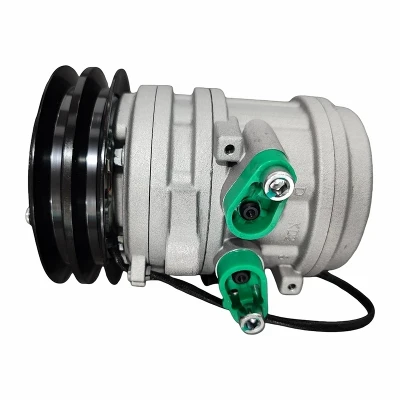
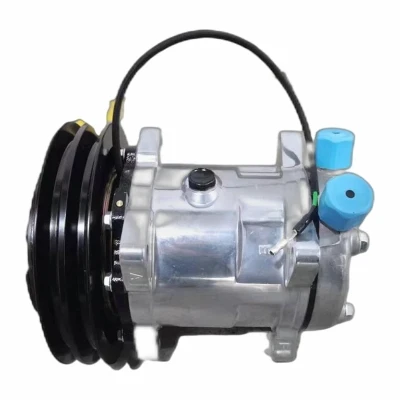
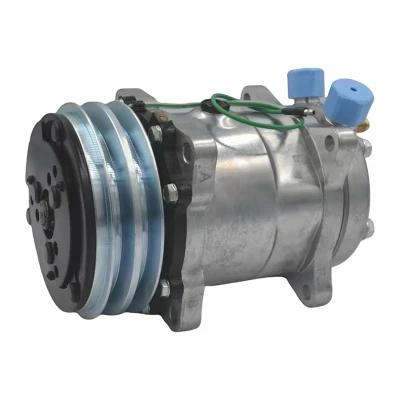
As a supplier of Variable Displacement Air Compressors, I've witnessed firsthand the importance of understanding the factors that affect their performance. These compressors are widely used in various applications, especially in the automotive industry, where they play a crucial role in the air - conditioning systems. In this blog, I'll delve into the key factors that can influence the performance of a variable displacement air compressor.
1. Design and Construction
The design and construction of a variable displacement air compressor are fundamental to its performance. There are different types of variable displacement compressors, such as the Variable Displacement Swash Plate Compressor and Variable Swash Plate Compressor.
The swash plate mechanism is a critical component in these compressors. The angle of the swash plate can be adjusted to vary the stroke of the pistons, which in turn changes the displacement of the compressor. A well - designed swash plate mechanism ensures smooth operation and efficient displacement control. For example, if the swash plate is not properly balanced, it can cause vibrations, which not only reduce the compressor's efficiency but also lead to premature wear and tear of the components.
The materials used in the construction of the compressor also matter. High - quality materials can withstand high pressures and temperatures, which are common in compressor operation. For instance, the pistons need to be made of materials with good wear resistance to ensure long - term performance. The housing of the compressor should be strong enough to contain the high - pressure air and protect the internal components from external damage.
2. Operating Conditions
The operating conditions under which a variable displacement air compressor works have a significant impact on its performance.


Temperature
Temperature is a crucial factor. In hot environments, the compressor has to work harder to cool the air. High ambient temperatures increase the temperature of the refrigerant gas entering the compressor. This can lead to higher compression ratios, which in turn require more power to operate the compressor. Moreover, high temperatures can cause the lubricating oil in the compressor to break down, reducing its effectiveness in reducing friction and wear.
On the other hand, in cold environments, the viscosity of the lubricating oil increases, which can make it difficult for the compressor to start and operate smoothly. The refrigerant may also not flow as easily, affecting the overall performance of the air - conditioning system.
Pressure
The pressure of the refrigerant in the system is another important aspect. The compressor needs to maintain a proper pressure differential between the suction and discharge sides. If the suction pressure is too low, it can cause the compressor to draw in less refrigerant, reducing its cooling capacity. Conversely, if the discharge pressure is too high, the compressor has to work harder to overcome the resistance, which can lead to increased energy consumption and potential damage to the compressor.
Humidity
Humidity can also affect the performance of the compressor. Moisture in the air can mix with the refrigerant and lubricating oil, causing corrosion and reducing the efficiency of the compressor. In high - humidity environments, it is essential to have proper moisture removal systems in place to protect the compressor.
3. Maintenance and Service
Regular maintenance and service are vital for the optimal performance of a variable displacement air compressor.
Lubrication
Proper lubrication is crucial for reducing friction between the moving parts of the compressor. The lubricating oil not only reduces wear but also helps in sealing the gaps between the pistons and the cylinder walls. Over time, the lubricating oil can become contaminated with dirt, debris, and metal particles. If the oil is not changed regularly, it can lose its lubricating properties, leading to increased friction and potential damage to the compressor.
Filter Replacement
The air filters in the compressor system need to be replaced regularly. A clogged air filter restricts the flow of air into the compressor, reducing its efficiency. It can also cause the compressor to work harder, leading to increased energy consumption and premature wear.
Leak Detection and Repair
Refrigerant leaks are a common problem in compressor systems. A leak can reduce the amount of refrigerant in the system, affecting its cooling capacity. Moreover, refrigerant leaks can also be harmful to the environment. Regular leak detection and repair are necessary to ensure the proper functioning of the compressor.
4. Control System
The control system of a variable displacement air compressor is responsible for adjusting the displacement according to the demand. A well - designed control system can optimize the performance of the compressor.
Sensor Accuracy
The sensors in the control system play a crucial role in detecting the operating conditions, such as temperature, pressure, and refrigerant flow. If the sensors are inaccurate, the control system may not be able to adjust the displacement correctly. For example, if the temperature sensor gives a false reading, the compressor may not adjust its displacement to meet the actual cooling demand.
Control Algorithm
The control algorithm used in the system determines how the compressor responds to the changes in the operating conditions. A sophisticated control algorithm can ensure that the compressor operates at the most efficient level. For instance, it can adjust the displacement based on the load, temperature, and pressure, minimizing energy consumption while maintaining the desired cooling effect.
5. Compatibility with the System
A variable displacement air compressor needs to be compatible with the overall system in which it is installed.
Refrigerant Type
Different compressors are designed to work with specific types of refrigerants. Using the wrong refrigerant can lead to poor performance, increased energy consumption, and potential damage to the compressor. For example, some refrigerants have different properties in terms of pressure, temperature, and lubrication requirements.
System Capacity
The capacity of the compressor should match the capacity of the air - conditioning system. If the compressor is too small, it may not be able to provide sufficient cooling. On the other hand, if it is too large, it may cycle on and off frequently, which can reduce its efficiency and lifespan.
In the automotive industry, the Compressor in Automobile and Variable Displacement AC Compressor are widely used. These compressors need to be carefully selected and installed to ensure optimal performance in the vehicle's air - conditioning system.
As a supplier of Variable Displacement Air Compressor, we understand the importance of these factors. We offer high - quality compressors that are designed to perform well under various conditions. If you are in the market for a variable displacement air compressor, we invite you to contact us for a detailed discussion about your specific requirements. We can provide you with the right solution that meets your needs and ensures the best performance for your application.
References
- Smith, J. (2018). Air Compressor Technology. Mechanical Engineering Press.
- Johnson, R. (2019). Automotive Air - Conditioning Systems. Automotive Publishing.
- Brown, A. (2020). Refrigeration and Air - Conditioning Handbook. Cooling Technology Publishers.