

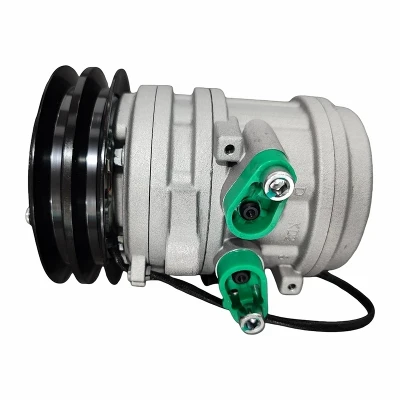
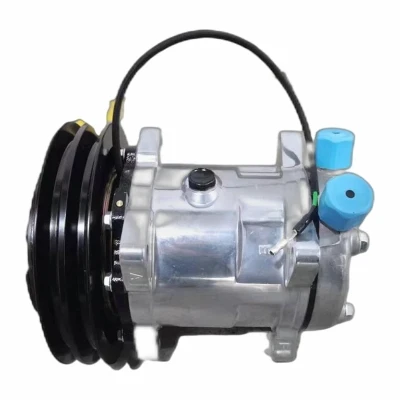
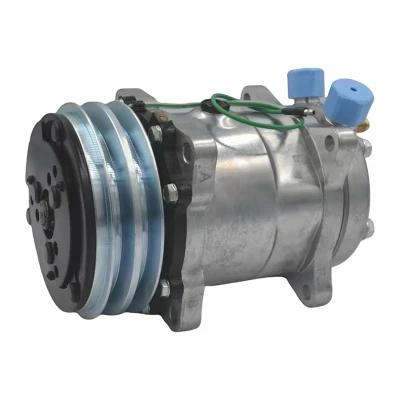
As a reputable supplier of Construction Machinery Compressors, I've witnessed firsthand the critical role that various components play in the efficient operation of these machines. One such component, often overlooked but of utmost importance, is the check valve. In this blog post, I'll delve into the functions of the check valve in a construction machinery compressor, exploring its significance and how it contributes to the overall performance of the equipment.
Understanding the Basics of a Check Valve
Before we dive into its functions, let's first understand what a check valve is. A check valve, also known as a non - return valve, is a mechanical device that allows fluid (in this case, air or refrigerant) to flow in one direction only. It consists of a valve body, a disc or a ball, and a seat. When the fluid pressure on the inlet side exceeds the pressure on the outlet side, the disc or ball is pushed off the seat, allowing the fluid to flow through. When the pressure on the outlet side is higher, the disc or ball is forced back onto the seat, preventing reverse flow.
Functions in a Construction Machinery Compressor
1. Preventing Reverse Flow
One of the primary functions of a check valve in a construction machinery compressor is to prevent reverse flow. In a compressor, the compression process involves drawing in air or refrigerant, compressing it, and then discharging it at a higher pressure. If there was no check valve, the compressed fluid could flow back into the compressor when the compressor stops or during intermediate stages of the compression cycle. This reverse flow can cause several problems.
First, it can lead to a loss of compressed fluid, reducing the overall efficiency of the compressor. For example, in a Construction Machinery Equipment Compressor, any loss of compressed air means that the compressor has to work harder to achieve the desired pressure levels, consuming more energy in the process. Second, reverse flow can damage internal components of the compressor. The sudden backflow of high - pressure fluid can cause wear and tear on the compressor's pistons, valves, and other moving parts, potentially leading to costly repairs and downtime.
2. Maintaining System Pressure
The check valve helps in maintaining the pressure within the compressor system. Once the compressor has compressed the fluid and discharged it into the system, the check valve ensures that the pressure does not drop back into the compressor. This is crucial for the proper functioning of the construction machinery that relies on the compressed fluid.
For instance, in a Special Compressor for Construction Machinery, a stable pressure is required for many of the machinery's operations, such as powering pneumatic tools or hydraulic systems. If the pressure is not maintained due to reverse flow, the tools may operate inefficiently or fail to work at all. The check valve acts as a barrier, holding the pressure in the system until it is needed, thereby providing a consistent and reliable source of power for the construction machinery.
3. Protecting the Compressor from Over - pressurization
In some cases, the check valve can also protect the compressor from over - pressurization. During the normal operation of a compressor, there may be fluctuations in the pressure within the system. If the pressure on the outlet side of the compressor suddenly increases beyond the normal range, the check valve will close, preventing the high - pressure fluid from flowing back into the compressor.
This is especially important in Engineering Vehicle Refrigeration Compressor. In a refrigeration system, an over - pressurized compressor can lead to refrigerant leaks, compressor failure, or even safety hazards. The check valve acts as a safety device, ensuring that the compressor is not subjected to excessive pressure, which helps in prolonging the lifespan of the compressor and reducing the risk of system failures.
4. Facilitating the Compression Cycle
The check valve plays an essential role in facilitating the compression cycle of the compressor. In a reciprocating compressor, for example, the inlet check valve allows the low - pressure fluid to enter the compression chamber during the intake stroke. As the piston starts to compress the fluid, the inlet check valve closes to prevent the compressed fluid from flowing back out.
During the discharge stroke, the outlet check valve opens to allow the compressed fluid to exit the compression chamber and enter the system. Once the discharge is complete, the outlet check valve closes to prevent reverse flow. This coordinated opening and closing of the check valves ensure that the compression cycle operates smoothly and efficiently. In Road Roller Compressor, a properly functioning check valve is crucial for the efficient operation of the compressor, which in turn affects the performance of the road roller.
Importance in Different Construction Machinery Compressors
Construction Machinery Equipment Compressor
In general construction machinery equipment compressors, the check valve's role in preventing reverse flow and maintaining pressure is vital. These compressors are used to power a wide range of tools and equipment on construction sites, such as jackhammers, nail guns, and paint sprayers. A reliable check valve ensures that the compressed air is delivered consistently to these tools, enabling them to operate at their optimal performance levels.
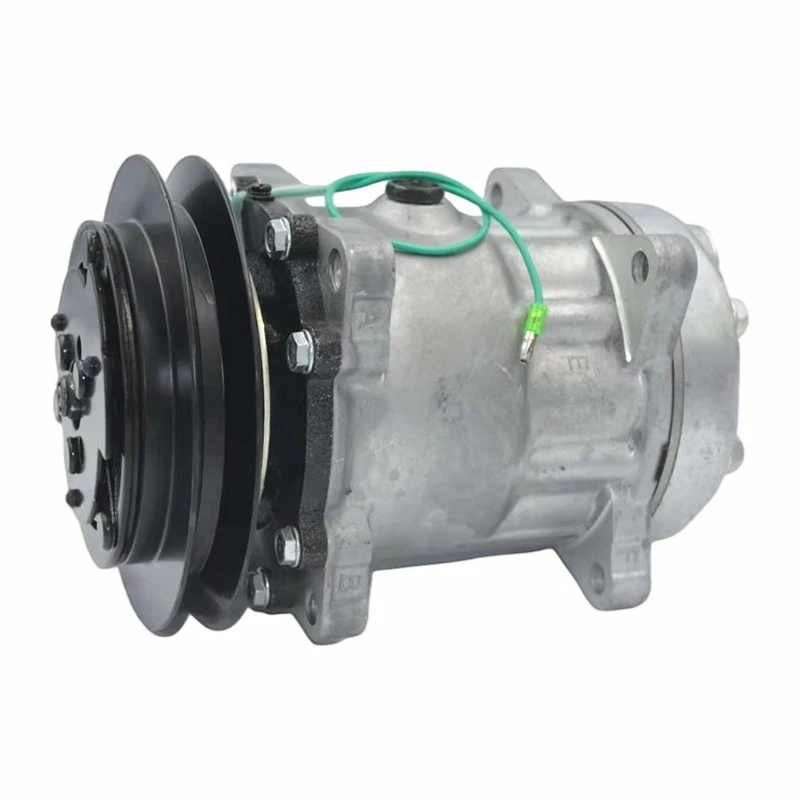
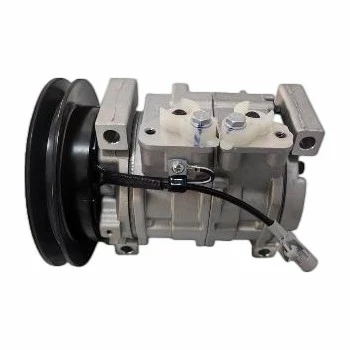
Special Compressor for Construction Machinery
Special compressors designed for specific construction machinery may have unique requirements. For example, some may operate under extreme temperatures or high - pressure conditions. The check valve in these compressors must be able to withstand these harsh environments while still performing its functions effectively. It helps in protecting the compressor from damage due to reverse flow and pressure fluctuations, ensuring the longevity and reliability of the special - purpose compressor.
Engineering Vehicle Refrigeration Compressor
In the case of engineering vehicle refrigeration compressors, the check valve is crucial for maintaining the refrigerant flow in the correct direction. Refrigeration systems rely on a precise circulation of refrigerant to cool the interior of the vehicle. The check valve ensures that the refrigerant does not flow back in the wrong direction, which could disrupt the cooling cycle and lead to inefficient cooling or even system breakdown.
Road Roller Compressor
Road roller compressors are used to power various functions in the road roller, such as the braking system and the vibration mechanism. The check valve in these compressors helps in maintaining a stable pressure supply to these essential systems. A malfunctioning check valve can cause a drop in pressure, leading to reduced braking effectiveness or improper vibration, which can significantly affect the road - rolling operation.
Engineering Vehicle AC Compressor
Engineering vehicle air - conditioning (AC) compressors are responsible for cooling the cabin of the vehicle. The check valve in these compressors ensures that the refrigerant is compressed and circulated properly. It prevents reverse flow, which could lead to a loss of cooling capacity and increased energy consumption. A well - functioning check valve is essential for providing a comfortable working environment for the vehicle operator.
Conclusion and Call to Action
In conclusion, the check valve is a small but crucial component in a construction machinery compressor. Its functions of preventing reverse flow, maintaining system pressure, protecting the compressor from over - pressurization, and facilitating the compression cycle are essential for the efficient and reliable operation of the compressor and the construction machinery it powers.
If you are in the market for high - quality construction machinery compressors with reliable check valves, we are here to help. Our range of Construction Machinery Equipment Compressor, Special Compressor for Construction Machinery, Engineering Vehicle Refrigeration Compressor, Road Roller Compressor, and Engineering Vehicle AC Compressor are designed to meet the diverse needs of the construction industry. Contact us today to discuss your specific requirements and start the procurement process.
References
- Compressor Technology Handbook, Second Edition by Klaus Brun, Eckhard Straus, and Achim Starzmann.
- Understanding Refrigeration & Air - Conditioning Systems by Tomczyk, Jim; Witte, Eugene; McQuay, John, and A. Janis Mumma.